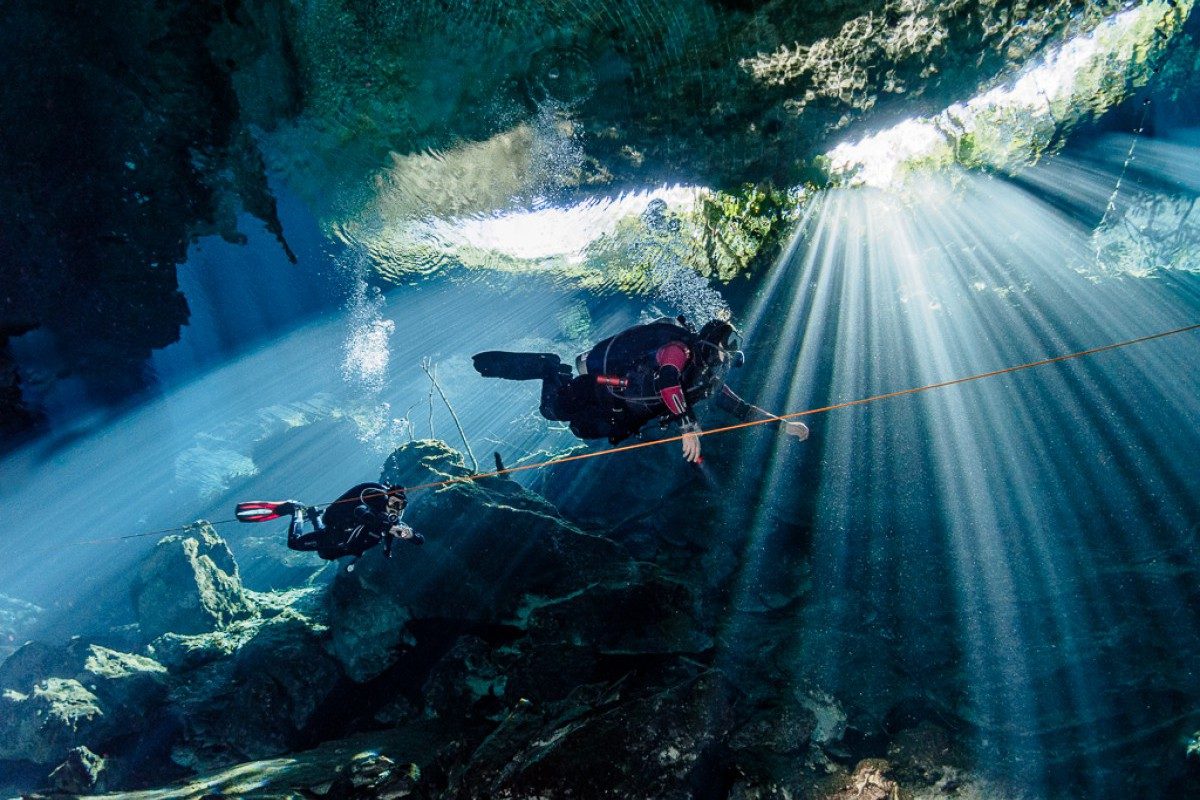
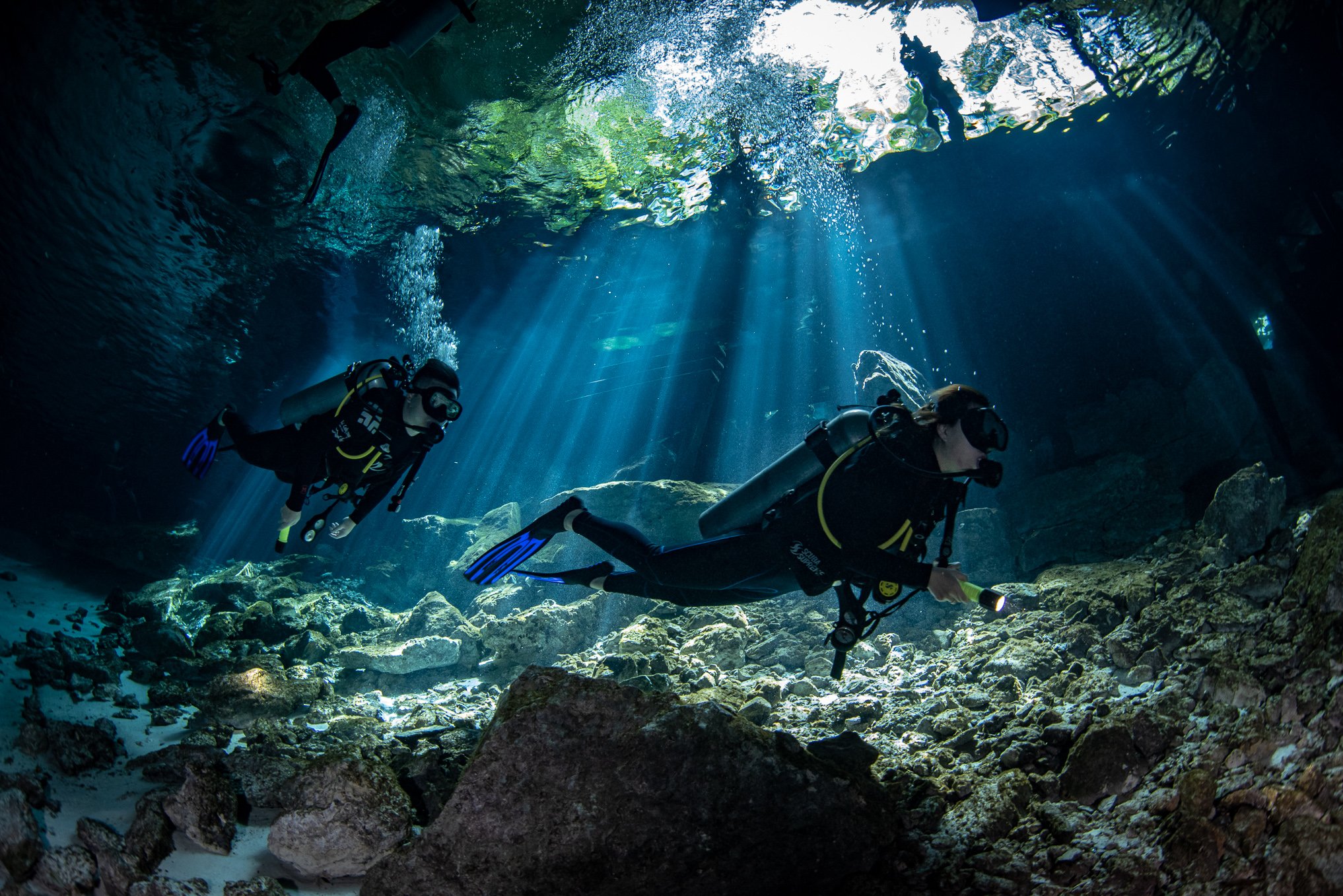
Scuba Diving Tulum
Scuba Diving Tulum
#16 of 232 in Tulum
Official tickets & experiences

Scuba Diving Tulum

Descend through limestone sinkholes, drift over Mesoamerican coral gardens

Hand-picked by our editors — only the best 12 dive experiences from 47 reviewed.

4.9 (2,400) 26K+ travelers chose this
Open today 08:00–17:00
Attendance: Moderate — summer season
Early morning arrival helps avoid crowds and maximizes water clarity in cenotes.
Free cancellation Instant confirmation Mobile voucher Verified partner Book now, pay later
Tickets

Choose your Scuba Diving Tulum tickets

Verified partners for Scuba Diving Tulum tours, free cancellation where available, and instant confirmation on every booking.

Dos Ojos Cenote Double Dive with Optional Transfer 4 hr
Standard Entry

Dos Ojos Cenote Double Dive with Optional Transfer

4.7 (16)
€101
per person
Instant Mobile voucher Flexible — change up to 24h

Two guided dives through crystalline cavern waters and the legendary Bat Cave passage

Reserve
Two-Cenote Scuba Adventure: Pit & Dos Ojos 5 hr
Standard Entry

Two-Cenote Scuba Adventure: Pit & Dos Ojos

4.9 (8)
€197
per person
Instant Mobile voucher Flexible — change up to 24h

Explore underwater caverns and dive through a sulfur cloud in two stunning Tulum cenotes

Reserve

Prices from verified partners. Availability updates in real time at checkout. Free cancellation policies apply where shown.

Duration
2-4 hours
Languages
English, Spanish
Group size
Max 6 divers
Cancellation
Free cancellation 24h prior
What you'll do

Inside a Scuba Diving Tulum tour, step by step

  1. 01 30m

    Arrival

    Meet guide at the designated meeting point

  2. 02 30m

    Briefing

    Review safety protocols and equipment check

  3. 03 60m

    Dive session

    Explore the cenote with a professional guide

  4. 04 30m

    Debrief

    Log your dive and discuss geological features

Highlights

What you'll see inside Scuba Diving Tulum

The landmarks, rooms, and views travelers on Scuba Diving Tulum tours remember — all visible on a single visit.

Dos Ojos Cenote

Dos Ojos Cenote

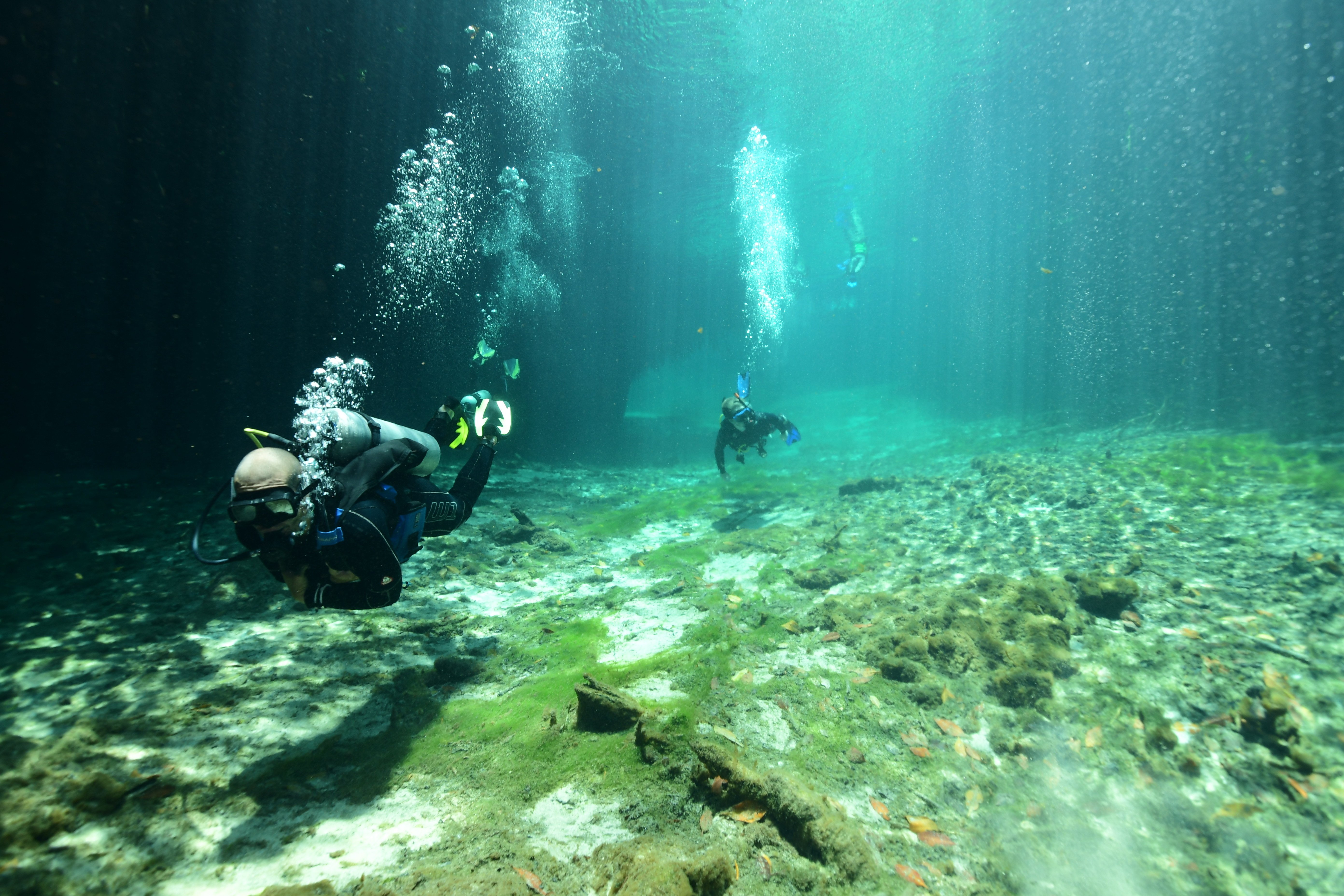
This site features two large sinkholes connected by a 400-meter passage. It is famous for its distinct blue water and extensive cavern systems.

Cenote Angelita

Cenote Angelita

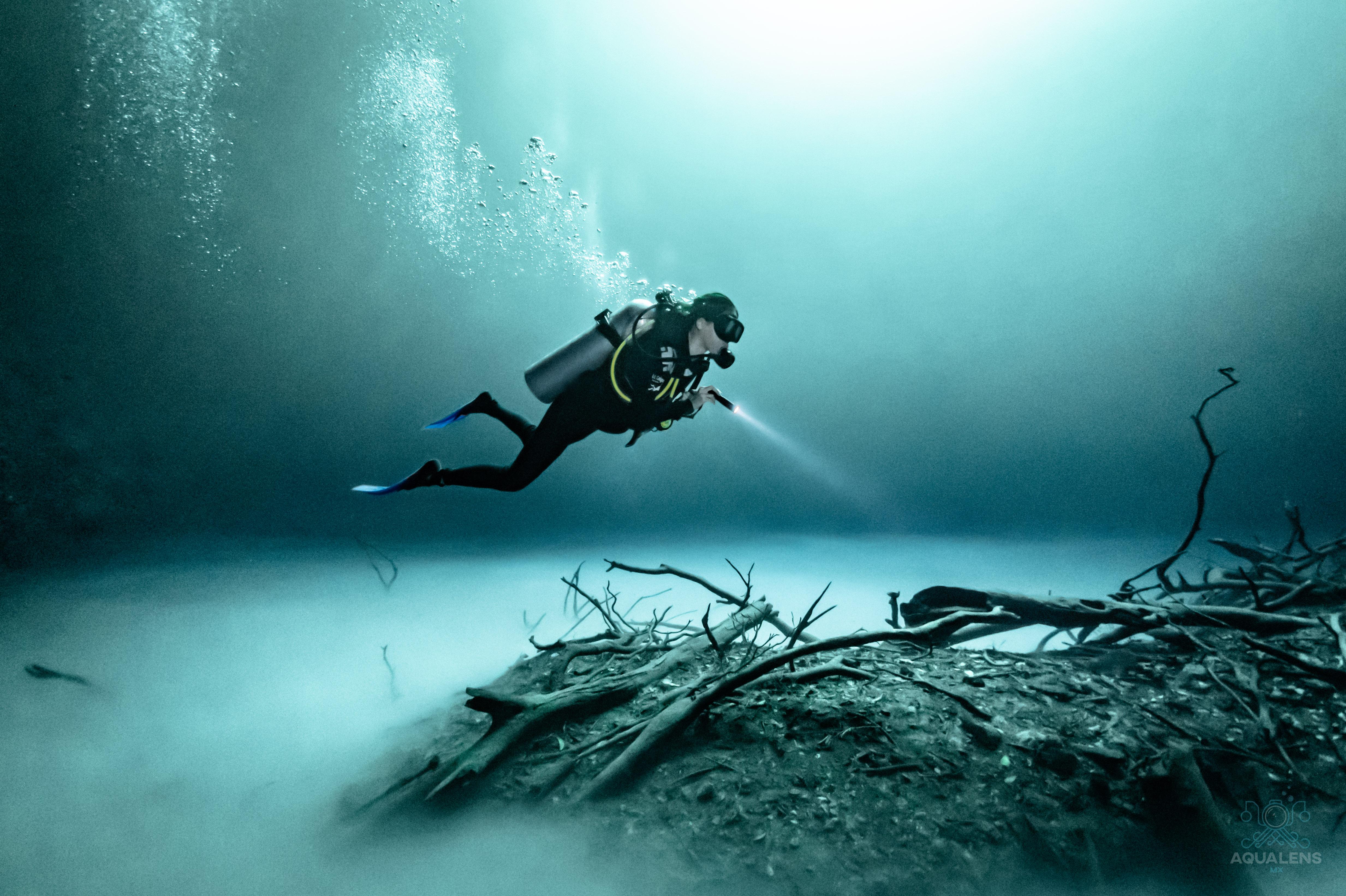
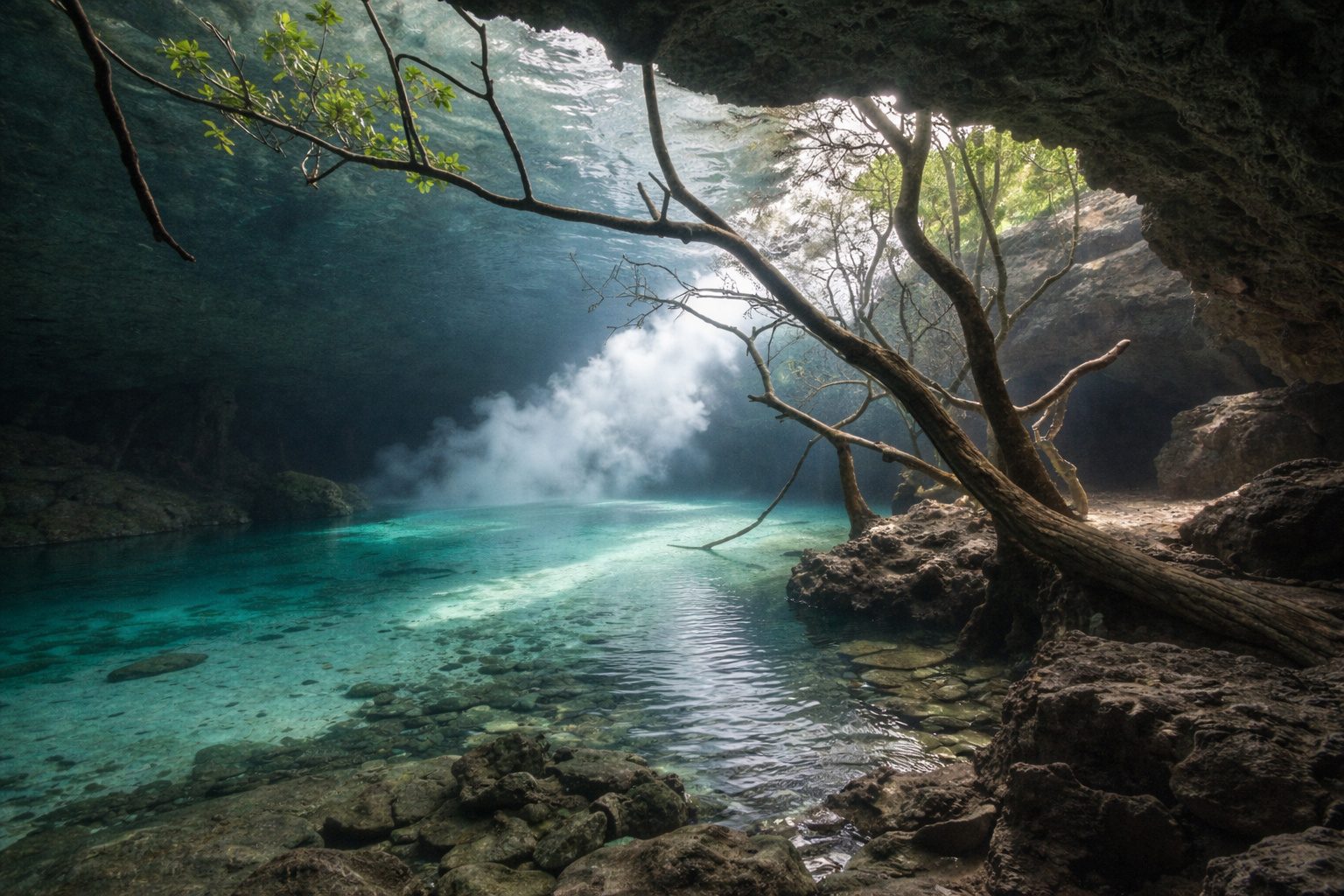
A unique site where a layer of hydrogen sulfide creates a mystical cloud effect underwater. Divers can descend through this layer to reach the freshwater section below.

Cenote Calavera

Cenote Calavera

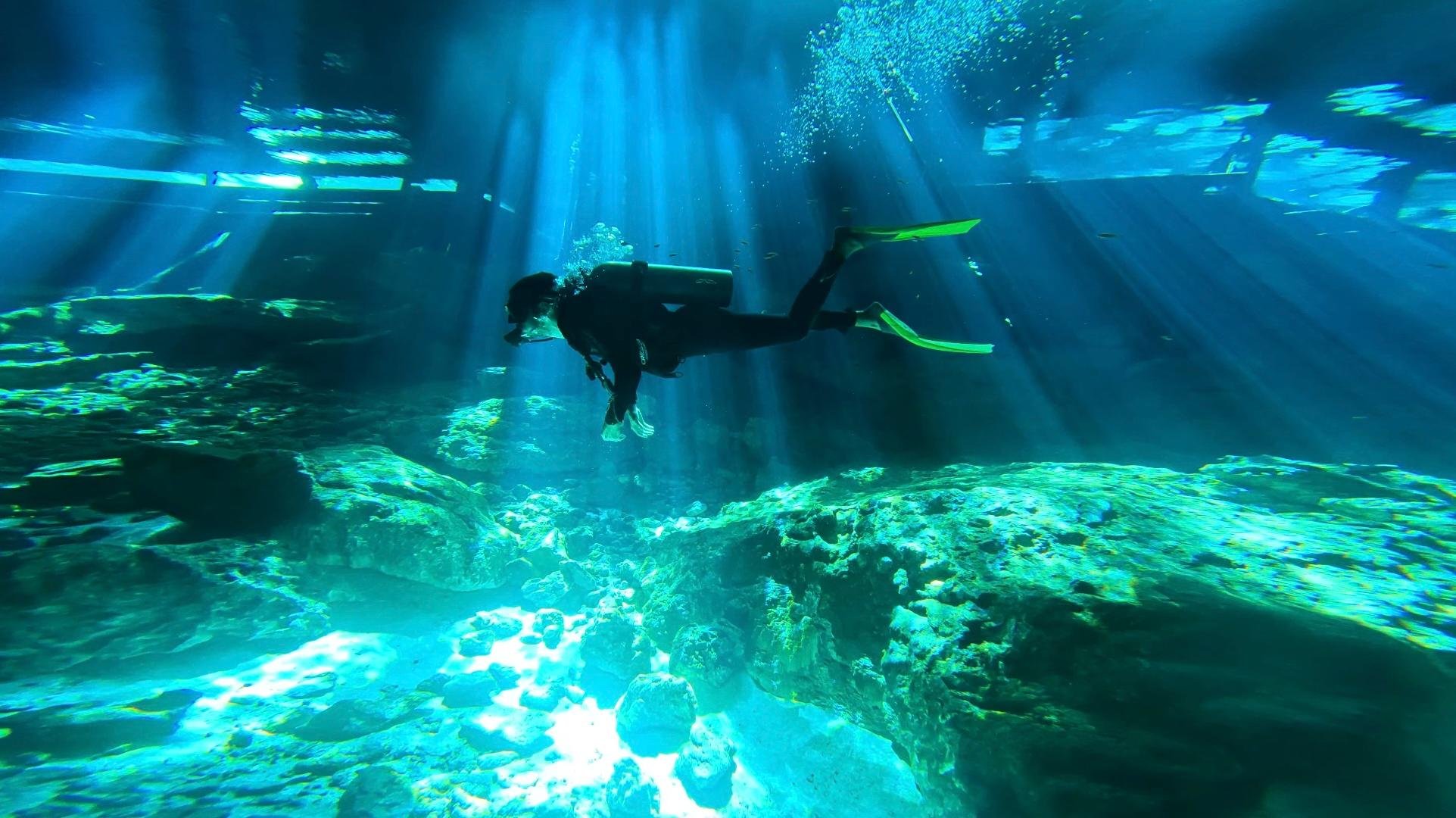
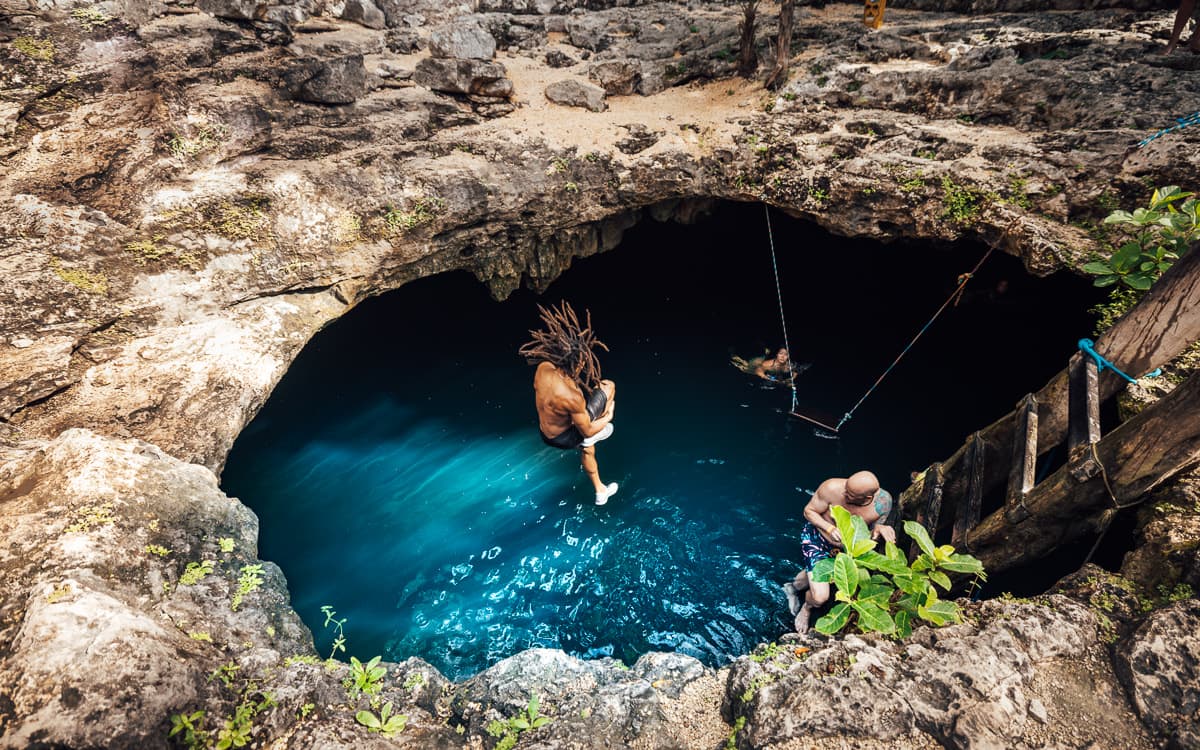
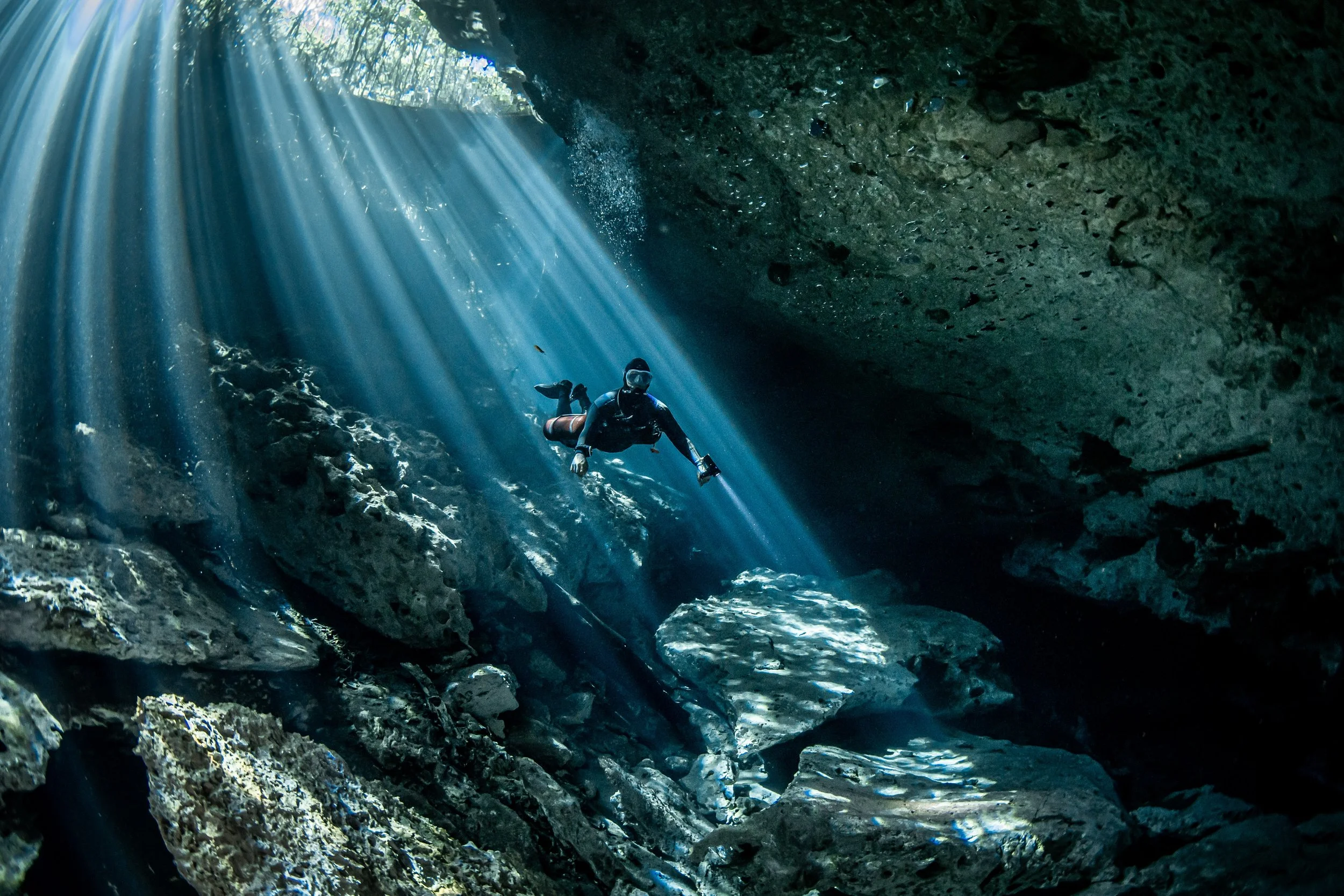
Known for its unique skull-shaped openings, this cenote offers a thrilling entry point for experienced divers. The light beams hitting the water surface create high-contrast visuals.

Cenote Pet Cemetery

Cenote Pet Cemetery

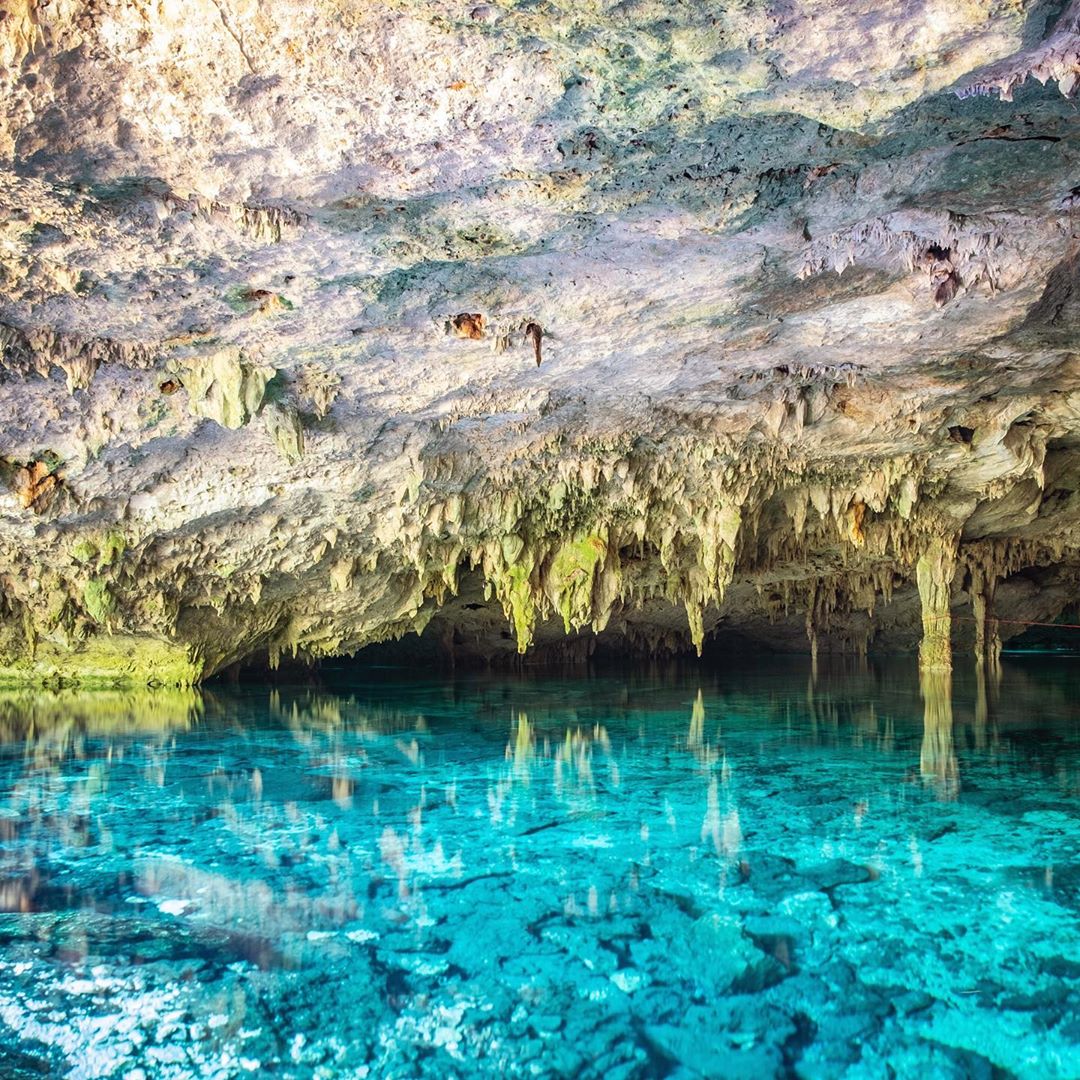
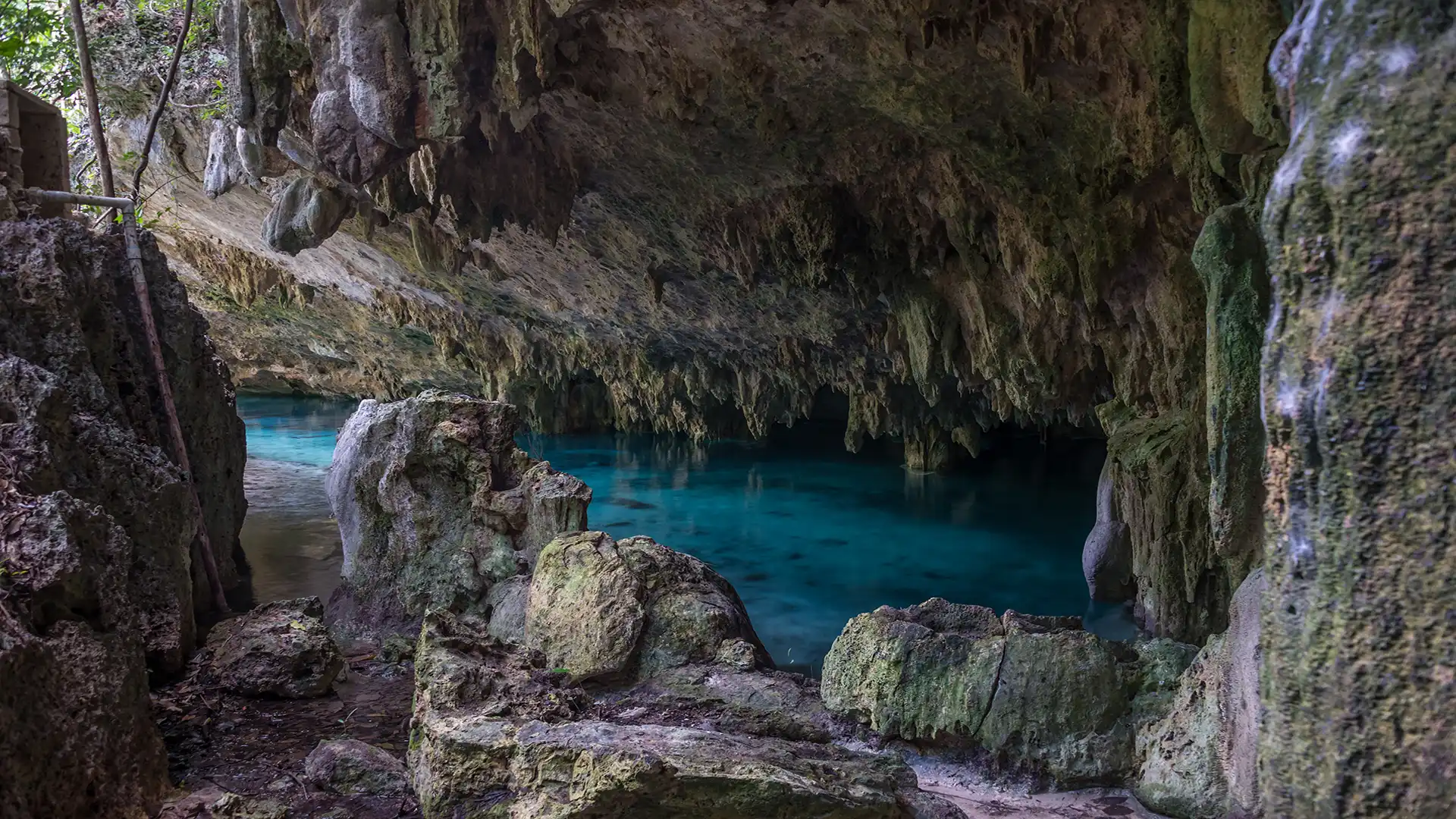
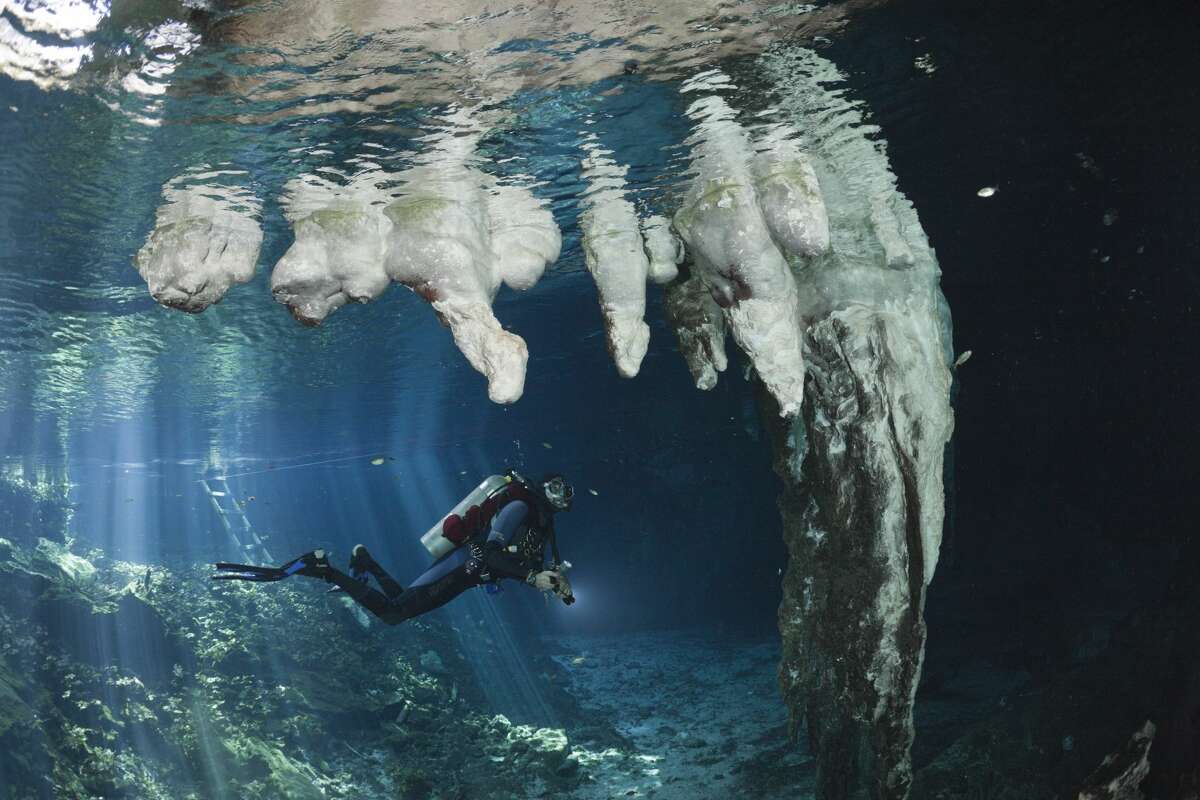
Home to remarkable stalactite formations, this site gets its name from the ancient animal fossils found within. It provides a look into the geological history of the region.

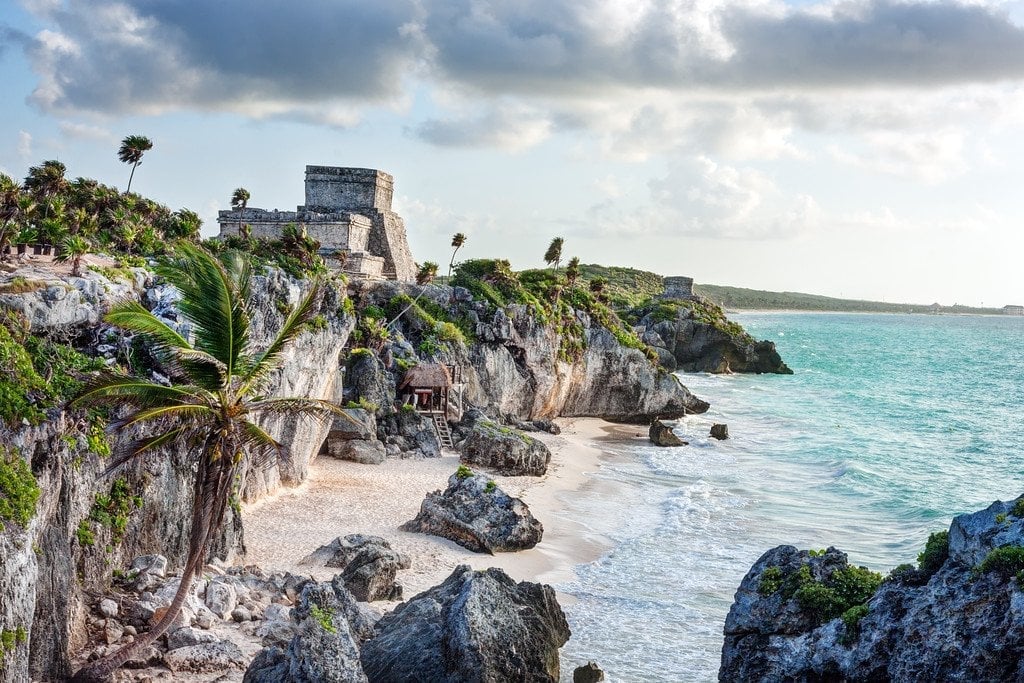
El Castillo

El Castillo

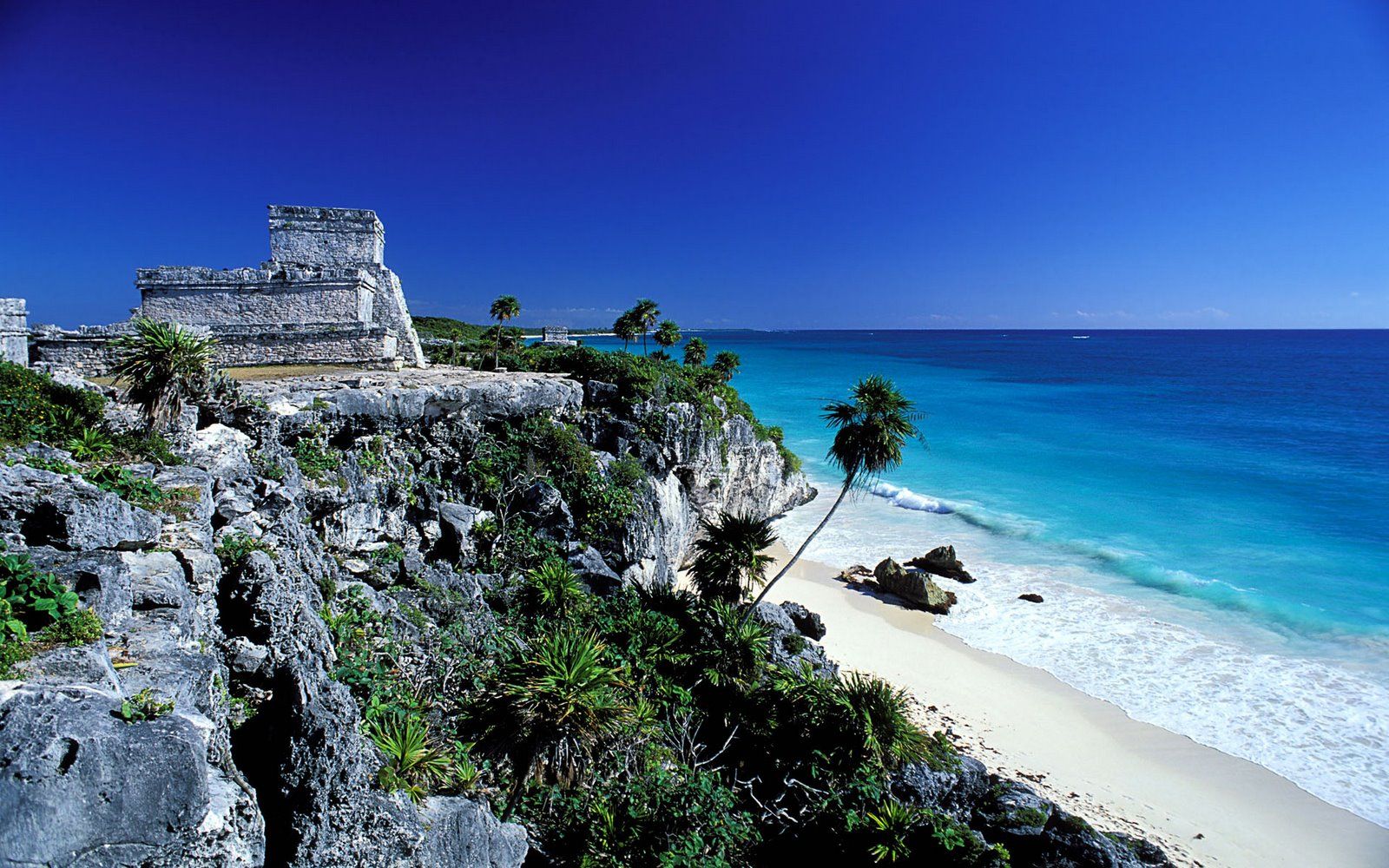
This landmark serves as a primary navigation point for divers in the area. It stands as the most iconic structure overlooking the coast.

Compare

Scuba Diving Tulum tickets & tours compared

Every Scuba Diving Tulum tour side-by-side — duration, what's included, how you redeem.

Experience DurationRatingTransfersPickupGuideFree cancel. Price
Standard Entry
Dos Ojos Cenote Double Dive with Optional Transfer
4 hr★ 4.7 €101 Book →
Standard Entry
Two-Cenote Scuba Adventure: Pit & Dos Ojos
5 hr★ 4.9 €197 Book →

All prices from verified partners. Availability and exact terms confirmed at checkout.

Head to head

Scuba Diving Tulum Reef vs. Cenote Diving: Choosing Your Underwater Environment

Cenote diving offers a tranquil, light-filtered experience, while reef excursions provide expansive Caribbean exploration; most visitors who do both call reef diving the more dynamic choice for wildlife encounters. Scuba diving tulum creates a unique contrast to open water trips by trading vast horizons for narrow, limestone-carved passages.

Feature Top pick Cenote Diving Tulum Reef Diving
Environment Type
Open Caribbean ocean
Visibility
40–80 feet (12–24 meters)
Skill Level Required
Beginner-friendly for open water
Marine Life
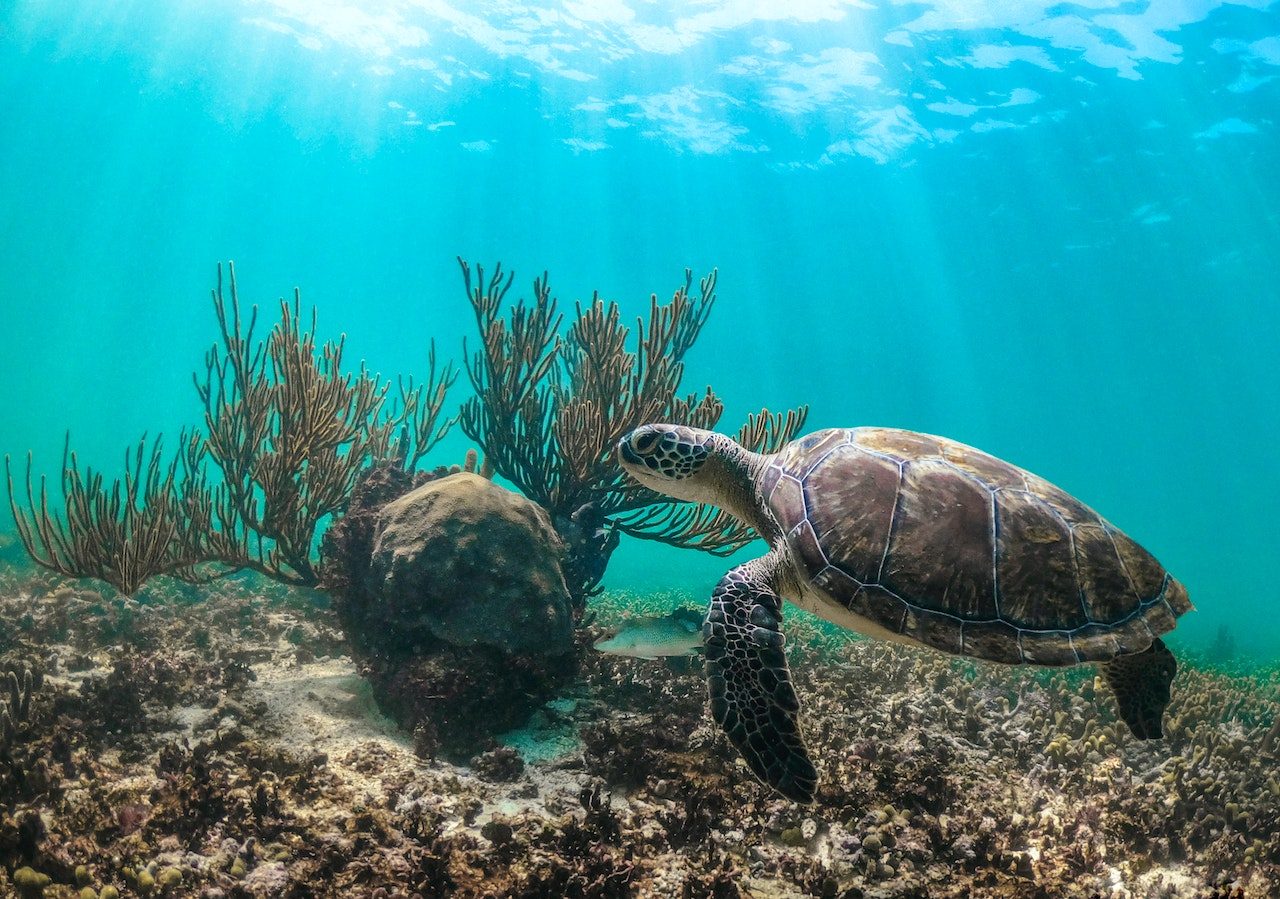
Diverse tropical fish and turtles
Water Temperature
Summer average 82°F (28°C)
Light Conditions
Full natural solar illumination

Verdict: Those seeking the technical challenge of overhead environments should book scuba diving tulum tours, while travelers preferring traditional sea life experiences find better value in a scuba diving tulum tour or purchasing scuba diving tulum tickets for reef access.

How your ticket works

Book Scuba Diving Tulum tours in 3 steps

  1. 01

    Book online

    Choose your ticket, select your date, and reserve in under two minutes. Secure checkout handled by our verified partner.

  2. 02

    Receive your mobile voucher

    Instant confirmation by email, with a mobile voucher you can save offline. No printing, no queuing at a collection desk.

  3. 03

    Show & enter

    Arrive at the entrance, show your voucher on your phone, and walk in. Most tickets include priority or skip-the-line access.

Plan your visit

Plan your Scuba Diving Tulum visit

Practical details for Scuba Diving Tulum tickets straight from our verified partners — hours, access, rules, and how to get there.

Open today · 08:00–17:00
Opening hours
08:00–17:00
Address
Tulum, Quintana Roo, Mexico
Accessibility
Varies by cenote; requires physical ability to navigate uneven limestone terrain.
Arrival
08:00–10:00
Storage
Limited; leave valuables at your accommodation.
Operator
Commercial tour operators manage all access.
Mon
08:00–17:00
Tue
08:00–17:00
Wed
08:00–17:00
Thu
08:00–17:00
Fri
08:00–17:00
Sat
08:00–17:00
Sun
08:00–17:00
Main entrance

Dive Shop

Tulum town center

Confirmed upon booking

Open in Google Maps
Address
Tulum, Quintana Roo, Mexico
Storage
Limited; leave valuables at your accommodation.
Operator
Commercial tour operators manage all access.

How to get there

🚗
Car · Variable · Medium cost

Rental vehicles offer the most flexibility for reaching remote cenote entrances. Parking is available at most sites for a small fee.

🚕
Taxi · Variable · High cost

Reliable for short distances within Tulum, though round-trip arrangements are advised.

Dress code

Divers should wear swimwear under light, breathable clothing. Rash guards are recommended for sun protection before entering the water.

Bags & security

Keep personal belongings to a minimum. Most scuba diving tulum tour providers have secure storage on-site or in transport vehicles.

Photography

Underwater cameras are encouraged, but ensure they are secured to your gear. Respect delicate limestone formations by maintaining neutral buoyancy.

Accessibility

Access to cenotes often involves steep wooden stairs or uneven paths. Individuals with limited mobility should discuss site-specific terrain with their guide.

Mobile phones

Use is prohibited while in the water or during safety briefings. Keep devices in dry bags during transport.

What to bring

  • Certification card
  • Logbook
  • Swimwear
  • Towel
  • Dry clothes
  • Cash for tips
  • Biodegradable sunscreen

Not allowed

  • Sunscreen
  • Insect repellent
  • Alcohol
  • Single-use plastics
  • Gloves
  • Knives
  • Spear guns
  • Drones
  • Flash photography

Families & strollers

Scuba diving tulum tickets are usually restricted to certified divers aged 12 and older. Younger family members may enjoy snorkeling at shallower locations.

Food & drink

Most operators provide water and light snacks, but lunch is typically not included. Dispose of all waste properly to protect the ecosystem.

Pets

Pets are not allowed on scuba diving tulum tours. The sensitive environment of the cenotes restricts animal access.

Good to know

Always follow your dive guide's instructions regarding cave conservation. Proper buoyancy is essential to avoid touching fragile rock features.

Meeting points

Scuba Diving Tulum tour meeting points

Dive Shop

Tulum town center

Confirmed upon booking

Get directions

Cenote Entrance

Specific site location

Requires own transport if not using tour shuttle

Get directions
Around your visit

Scuba Diving Tulum — everything else worth knowing

Best time to go, insider tips, nearby landmarks, and the cancellation fine print — flip through to skim what matters to you.

Best time to visit Scuba Diving Tulum

How crowds, weather, and events shift across the year.

Summer

Water temperatures average 25°C, making it pleasant for long sessions. Afternoon rain showers are common but rarely impact underwater visibility.

Helpful tips for your visit to Scuba Diving Tulum

Small details that turn a good visit into a great one.

Certification Check

Always carry your physical or digital scuba certification card. Guides verify this before any scuba diving tulum excursion begins.

Biodegradable Sunscreen

Traditional sunscreens contain chemicals harmful to water quality. Use only mineral-based, biodegradable options if required.

Check Visibility

Ask your guide about current water conditions. Recent rainfall can occasionally affect visibility in certain caves.

Early Start

Follow the best arrival window of 08:00–10:00 to avoid large groups. This ensures a calmer experience at the sites.

Neutral Buoyancy

Practice your buoyancy in open water first. Proper control prevents damage to stalactites and stalagmites in the cenotes.

Landmarks near Scuba Diving Tulum

Non-bookable sights within a short walk — free to visit, easy to pair.

Tulum Archaeological Zone

Tulum Archaeological Zone

15m drive

Ancient Mayan ruins overlooking the Caribbean Sea.

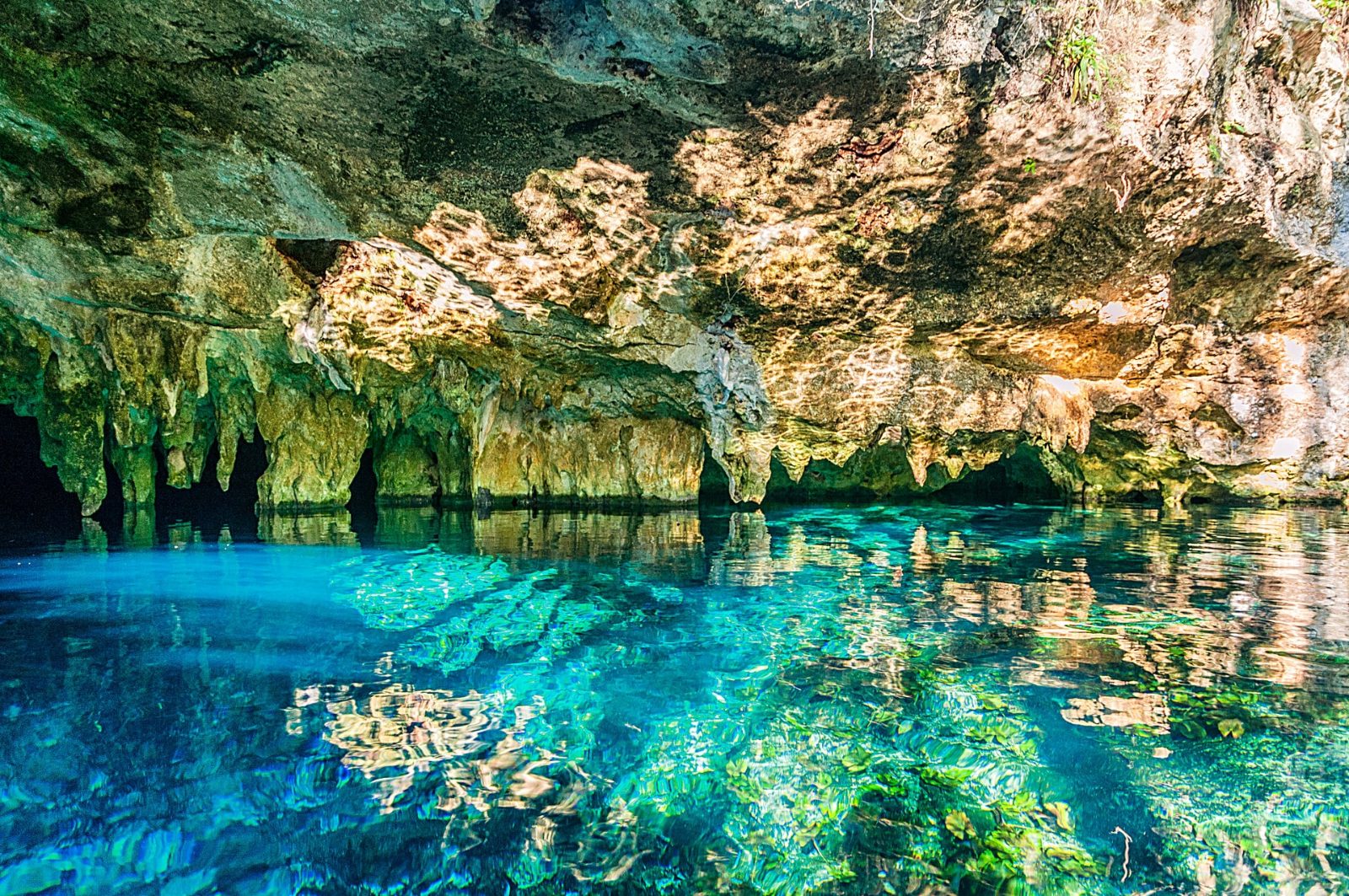
Gran Cenote

Gran Cenote

10m drive

A popular open-air site featuring clear water and limestone formations.

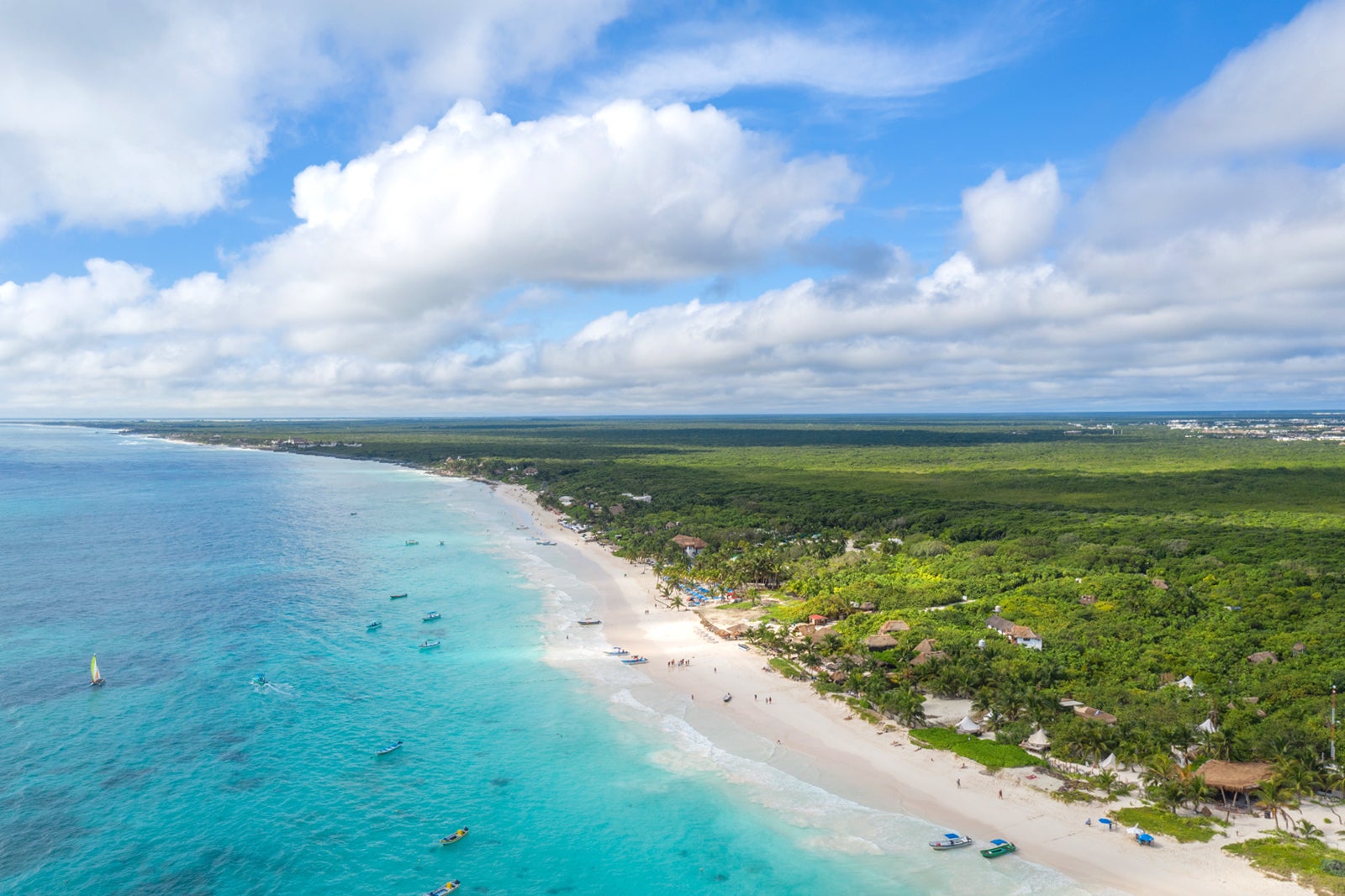
Playa Paraiso

Playa Paraiso

10m drive

Wide sandy beach perfect for relaxing after morning dives.

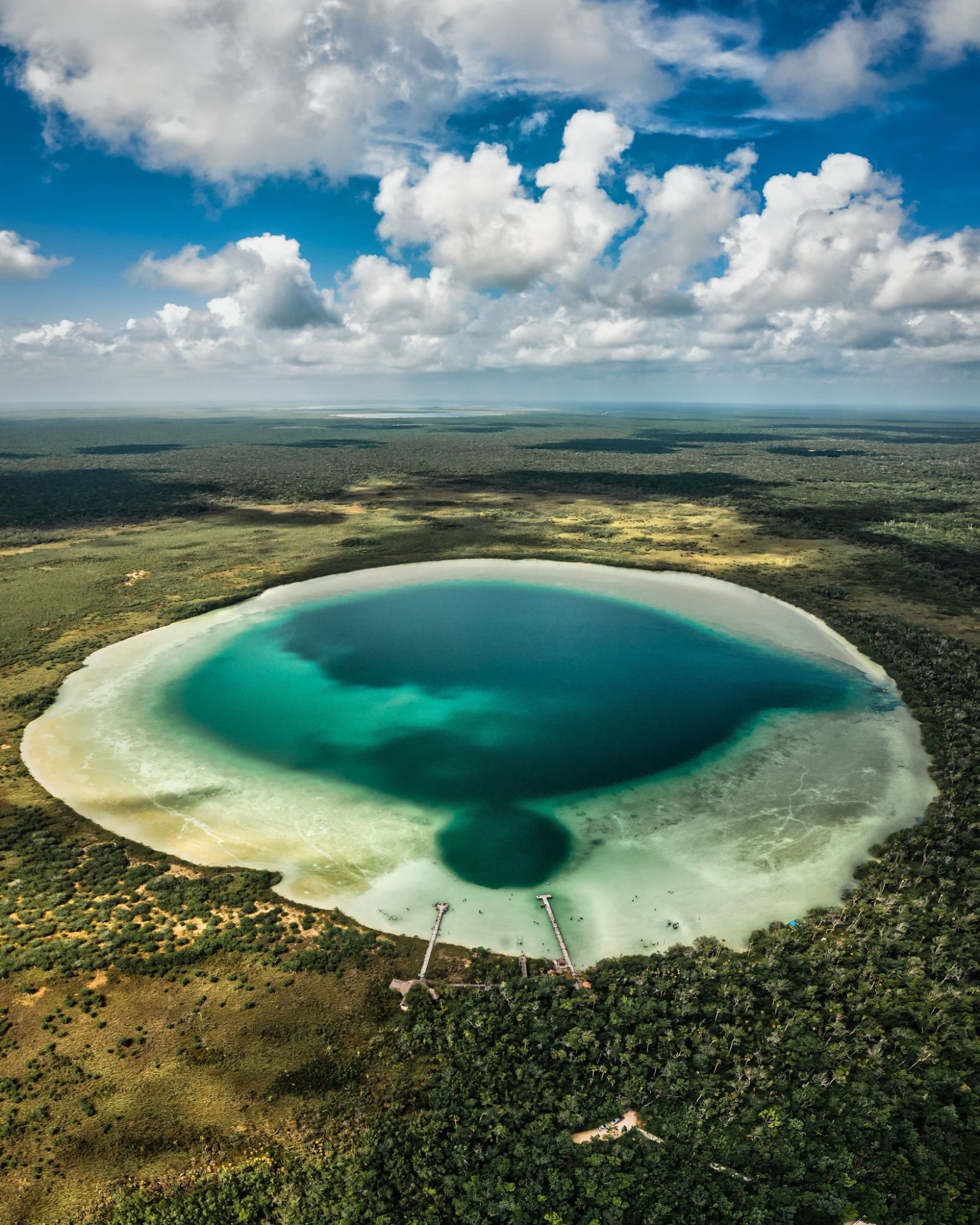
Laguna Kaan Luum

Laguna Kaan Luum

15m drive

A large lagoon with a deep cenote center known for distinct blue colors.

Cancellation policy

Flexible, no hidden fees.

Operators typically require 24 to 48 hours notice for a full refund on scuba diving tulum tours. Entrance fees are bundled into your tour package.

Traveler reviews

Scuba Diving Tulum tour reviews

4.9
★ ★ ★ ★ ★
2,400 reviews
26K+ travelers chose this
  • "The Gran Cenote system exceeded every expectation. Water temperature stayed around 25°C and visibility stretched beyond 50 meters through the cavern zone. Our guide pointed out fossilized shells embedded in the limestone ceiling formations."
    Marcus T. · Germany · 2026-07-12
  • "Dove the Mesoamerican Barrier Reef with a small group of six. We logged hawksbill and green turtles, spotted eagle rays, and clouds of sergeant majors around the coral heads. The dive operator provided excellent briefings on buoyancy control to protect the reef."
    Sofia R. · Spain · 2026-06-28
  • "Punta Sur drift dive delivered strong current and big marine life. Our divemaster timed the entry perfectly and we glided past tarpon, massive groupers, and a resting nurse shark tucked under a ledge at 18 meters."
    Yuki M. · Japan · 2026-05-15
  • "Scuba diving Tulum cenotes offers a completely different experience from ocean reefs. The halocline layer at 10 meters creates a surreal blur effect where fresh and salt water meet. We navigated the Barbie Line through natural limestone tunnels with only our torches and the faint daylight filtering from above."
    Rachel K. · United States · 2026-04-02
  • "Completed four dives over two days covering cenotes, reef, and wall. Each site brought different conditions and marine species. The cenote dives require cavern certification but are well worth the training. Reef dives showcased healthy coral coverage and abundant fish populations."
    Liam O. · Ireland · 2026-03-18
  • "Booked a two-tank reef dive and the crew handled everything smoothly. Equipment was newer Aqualung gear in excellent condition. Between dives we anchored near the coast and the captain shared local knowledge about turtle nesting beaches and hurricane patterns."
    Camila P. · Brazil · 2026-02-26
  • "Descended through the cloud layer at 30 meters into the hydrogen sulfide zone. The submerged tree branches and eerie visibility create an otherworldly landscape. This is technical diving territory and requires advanced certification, but remains one of the most unique dives globally."
    Thomas V. · Netherlands · 2026-08-05
  • "Morning dive at this site delivered a school of over 200 barracuda forming a silver wall. We held position at 12 meters while they circled in formation. The current brings nutrients that attract pelagic species throughout the season."
    Emma L. · United Kingdom · 2026-07-20
  • "Many visitors focus only on cenotes, but the Caribbean reef system here rivals Cozumel for coral health and fish density. Scuba diving Tulum tours often combine both environments in a single day. We saw three moray eels, a southern stingray, and juvenile reef sharks on a single 50-minute bottom time."
    Diego S. · Mexico · 2026-06-10
  • "This open-air cenote connects to the ocean through mangrove channels. The light plays beautifully around noon when the sun is directly overhead. Shallow depth makes it ideal for newer divers while still offering interesting topography and frequent tarpon sightings."
    Hannah B. · Canada · 2026-08-14
1★
1320
2★
890
3★
1650
4★
4100
5★
18200
Where to stay

Hotels & districts near Scuba Diving Tulum

Hand-picked options within walking distance — pick a district for vibe, or a specific hotel for convenience.

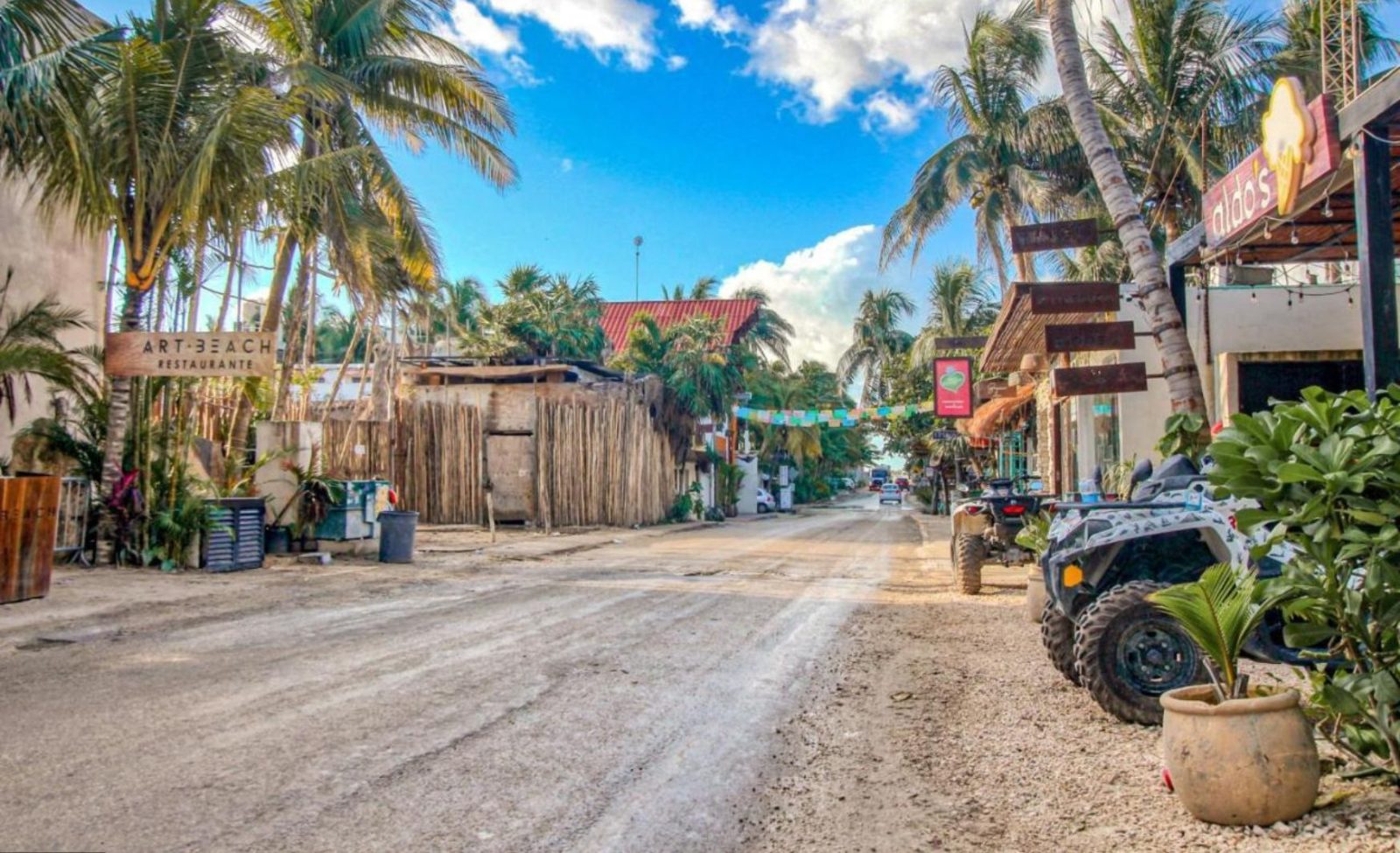
Tulum Town

Tulum Town

N/A
mid-range

Offers easy access to dive shops and local dining.

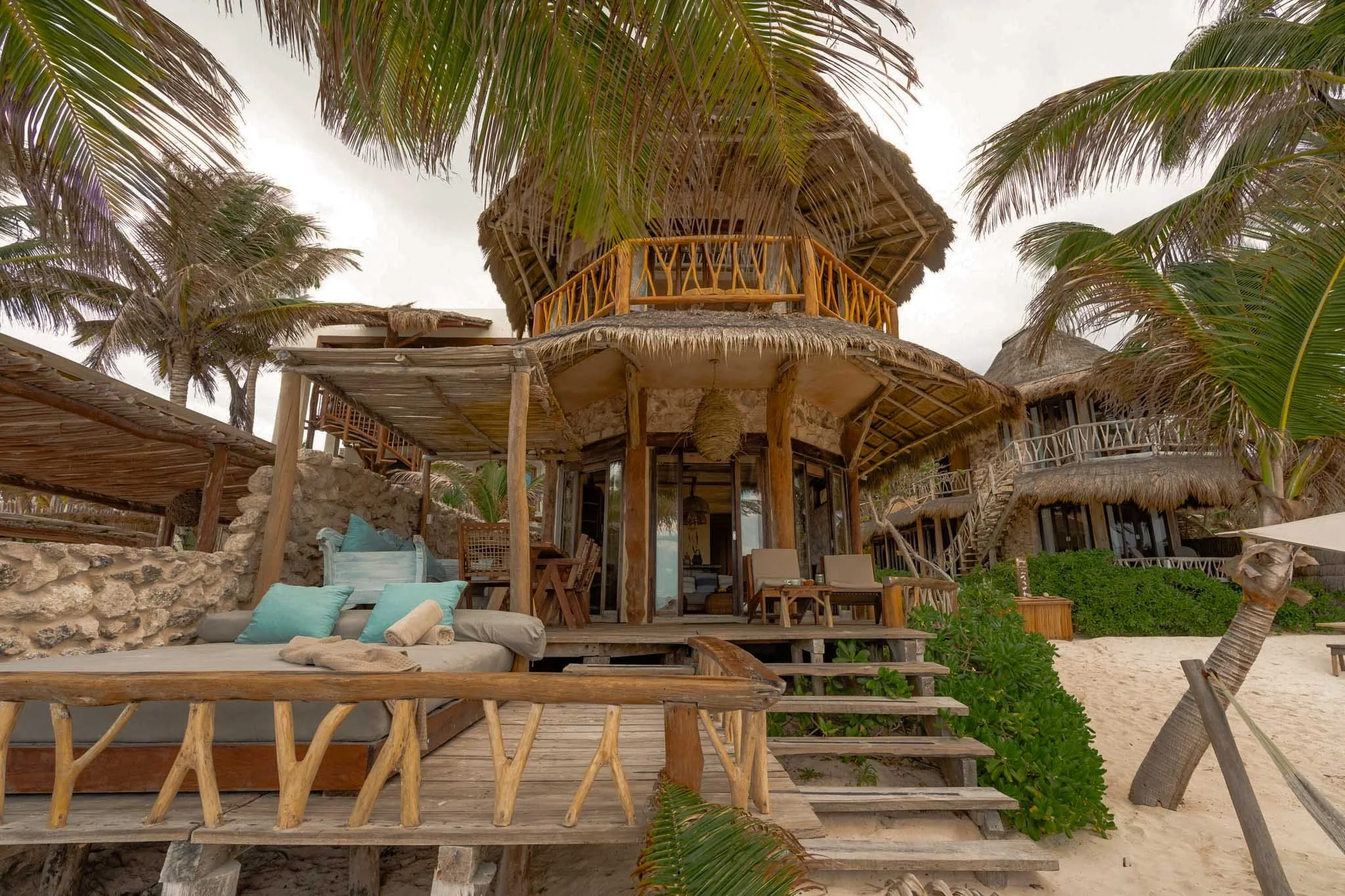
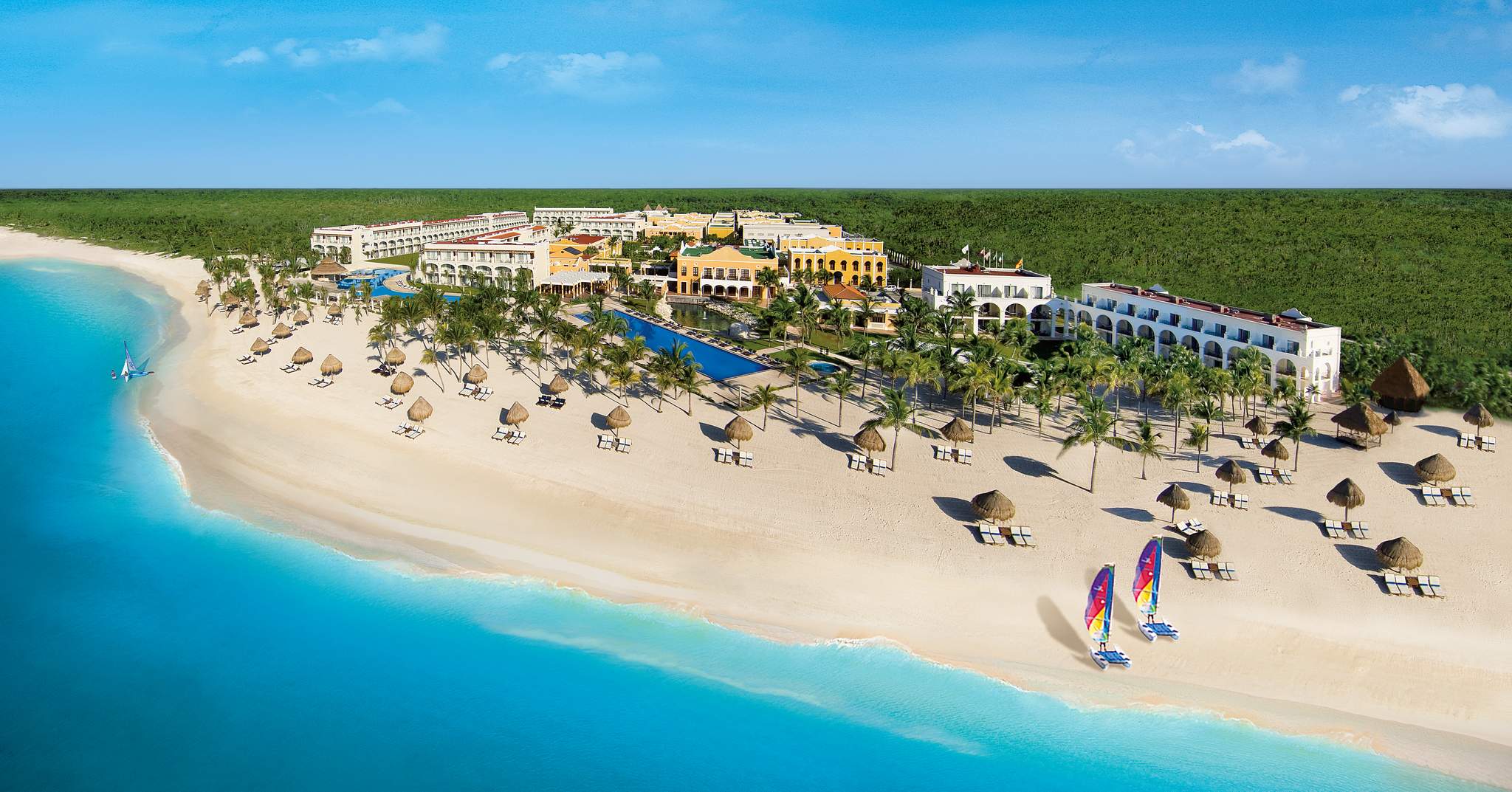
Beach Zone

Beach Zone

N/A
luxury

High-end resorts located near the coastal strip.

La Veleta

La Veleta

N/A
boutique

A rapidly growing area with modern apartments and pools.

Scuba Diving Tulum: Cenotes and Coral Reefs
About

Scuba Diving Tulum: Cenotes and Coral Reefs

Tulum's underwater terrain splits into two parallel universes separated by a limestone shelf. Inland, the Yucatán's porous bedrock cratered five million years ago, leaving a lacework of flooded caves and cenotes that stretch over 350 kilometres beneath the jungle canopy.

Read more

Offshore, the Mesoamerican Barrier Reef—the western hemisphere's longest coral system—runs 1,000 kilometres from Isla Contoy to Honduras, placing Tulum's dive sites at the threshold between ancient freshwater caverns and living saltwater gardens.

Scuba diving Tulum became commercially viable in the 1980s, when cave-diving pioneers mapped the cenote systems and established the buoyancy protocols now standard across recreational cavern tours. The region's cenotes—Dos Ojos, Casa Cenote, Angelita—offer visibility exceeding 100 metres in some chambers, a clarity born from millennial filtration through limestone. Haloclines mark the boundary where fresh groundwater meets denser saltwater, bending light into optical illusions that double every stalactite. These flooded passages were sacred to the Maya; ceramic offerings and human remains rest undisturbed in chambers beyond the tourist zones, monitored by INAH archaeologists and accessible only to permitted cave divers.

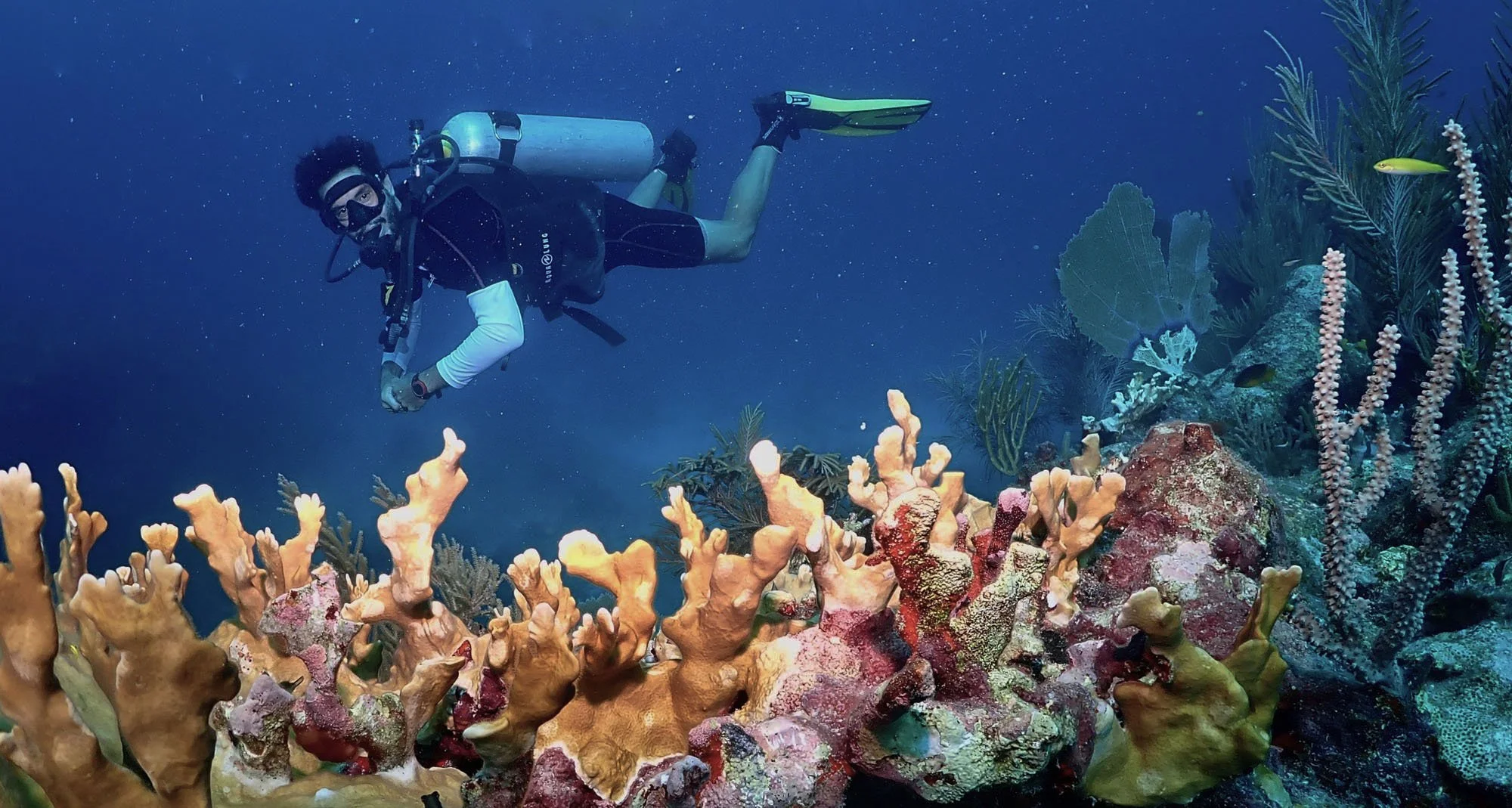
The Caribbean side presents a contrasting ecology. Tulum's coral reefs descend in terraced walls from five to thirty metres, populated by queen angelfish, southern stingrays, and hawksbill turtles that nest on the beaches each summer. The reef absorbed hurricane damage in 2020 but regeneration programs have stabilised elkhorn and brain coral colonies. Drift dives follow the northbound current past sponge-covered swim-throughs and cleaning stations where Nassau groupers hover motionless while wrasses pick parasites from their gills.

Scuba diving Tulum beginners typically start with shallow reef dives before progressing to cenote cavern circuits, which demand stricter buoyancy control to avoid stirring silt from the cave floor. Open-water certification remains the baseline; cavern diving requires additional training beyond entry-level credentials. Operators run morning departures to maximise sunlight penetration in the cenotes, where shafts of light angle through collapse chimneys and illuminate suspended particles in cathedral-like columns. The reef sites peak between April and August, when sea conditions flatten and whale sharks migrate offshore, occasionally visible from deeper dive platforms.

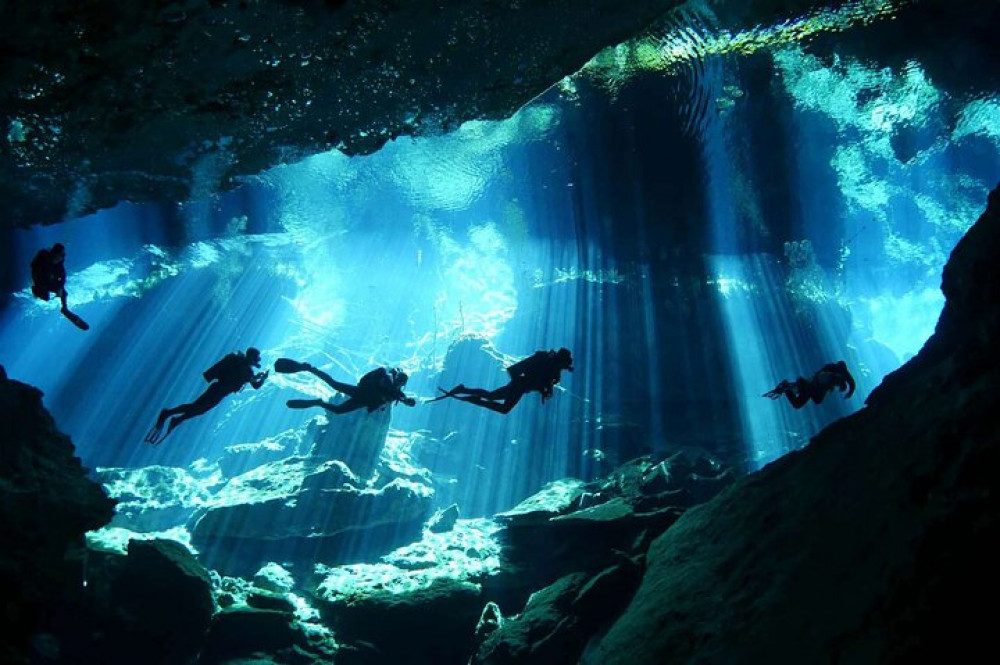
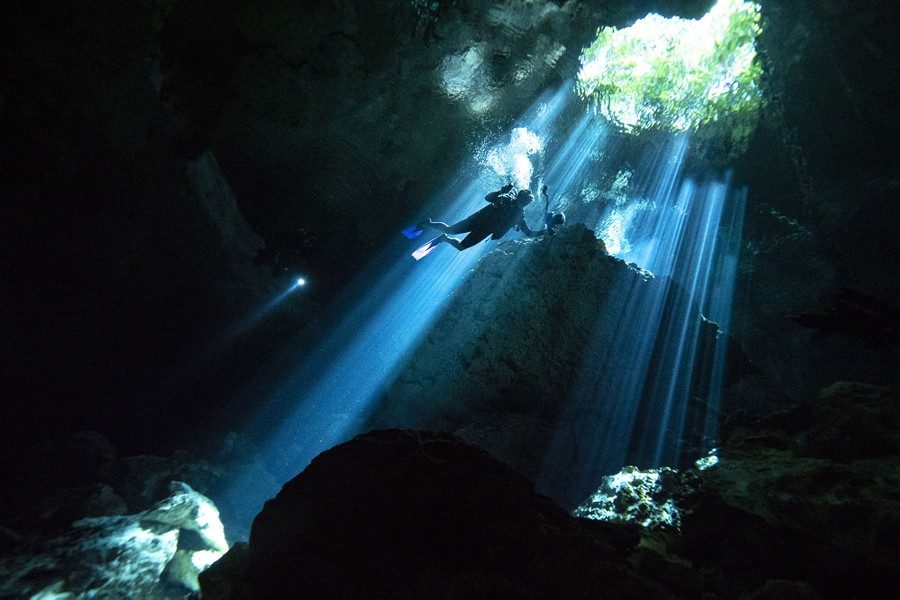
"Haloclines mark the boundary where fresh groundwater meets denser saltwater, bending light into optical illusions that double every stalactite."
Your experience

What a Scuba Diving Tulum tour day looks like

A step-by-step walkthrough of Scuba Diving Tulum tickets — what you'll see, how long each stage takes, and the details that matter.

You arrive at the dive shop by 08:00, where the briefing covers hand signals and the cavern's no-touch rule—silt on the cave floor can suspend for hours and kill visibility. Wet suits go on despite the 25°C water; cenotes sit at a constant temperature year-round, and the hour-long dive will leach body heat.

Read more

The van departs for Dos Ojos, a fifteen-minute drive through jungle road that ends at a palapa-covered entry platform.

You descend the wooden staircase into crystalline water, equalising pressure as the daylight fades overhead. Your guide clips a reel to the cave's permanent line—your visual anchor—and you follow it through the first cavern, where stalactites taper from the ceiling and stalagmites rise from the floor in frozen columns. At twelve metres, you pass through the halocline; the water blurs for an instant as your mask crosses the density layer, then sharpens again. The guide pauses at a light beam angling through a collapse dome, where dust motes drift in the column like snow.

Surface interval happens under the palapa: fruit, water, and a second briefing for the reef dive. The afternoon boat departs from Tulum's beach, motoring two kilometres offshore to a moored buoy. You roll backward into the Caribbean, descending a sandy slope to the reef wall, where a hawksbill turtle grazes on sponge and a school of blue tang parts around you.

Your experience at Scuba Diving Tulum
Frequently asked

Frequently asked questions about scuba diving tulum tours

What are the opening hours for scuba diving tulum activities?

The operating hours are 08:00–17:00 daily. You can plan your scuba diving tulum visits within this window.

Do I need to pay an entrance fee for scuba diving tulum?

There is 0 USD entrance fee; diving is exclusively via commercial tour operators. Your tour price covers all required access fees.

When is the best time to arrive for a scuba diving tulum tour?

Early morning arrival between 08:00–10:00 is recommended to avoid crowds and maximize water clarity.

Can beginners participate in scuba diving tulum?

Most sites require an open water certification for scuba diving tulum. Non-certified individuals may consider snorkeling options instead.

What should I bring for my scuba diving tulum experience?

Bring your certification card, swimwear, towel, and biodegradable sunscreen. Avoid bringing prohibited items like single-use plastics to any scuba diving tulum site.

Are there lockers for my bags during scuba diving tulum trips?

Security varies by location; it is best to leave valuables at your accommodation. Most tour operators for scuba diving tulum provide secure transport vehicles.

Is photography allowed during scuba diving tulum?

Yes, photography is allowed, provided you maintain neutral buoyancy. Protecting the environment is a priority during all scuba diving tulum sessions.

Can I use my mobile phone while on a scuba diving tulum tour?

Mobile phone use is restricted during active dives and safety briefings. Use them primarily for capturing memories after your scuba diving tulum adventure.

How do I book scuba diving tulum tickets?

Scuba diving tulum tickets are managed through licensed tour operators. You can book directly with these providers or via your hotel.

Are children allowed on scuba diving tulum excursions?

Minimum age requirements for scuba diving tulum generally start at 12 years old. Always confirm age policies with your chosen tour operator.

Keep exploring

More Scuba Diving Tulum tours & experiences

Nearby cities & day trips
Playa del Carmen
1h drive north from Tulum