Scuba Diving Tulum
Tours & tickets

Hand-picked by our editors — only the best 5 cenote diving experiences from 42 reviewed.

Open today 08:00–17:00
Attendance: Moderate — weekday morning
Arrive early to avoid peak tour bus traffic and enjoy clear water visibility.
Free cancellation Instant confirmation Mobile voucher Verified partner Book now, pay later
Tickets

Choose your ticket

Verified partners for every tour, free cancellation where available, and instant confirmation on every booking.

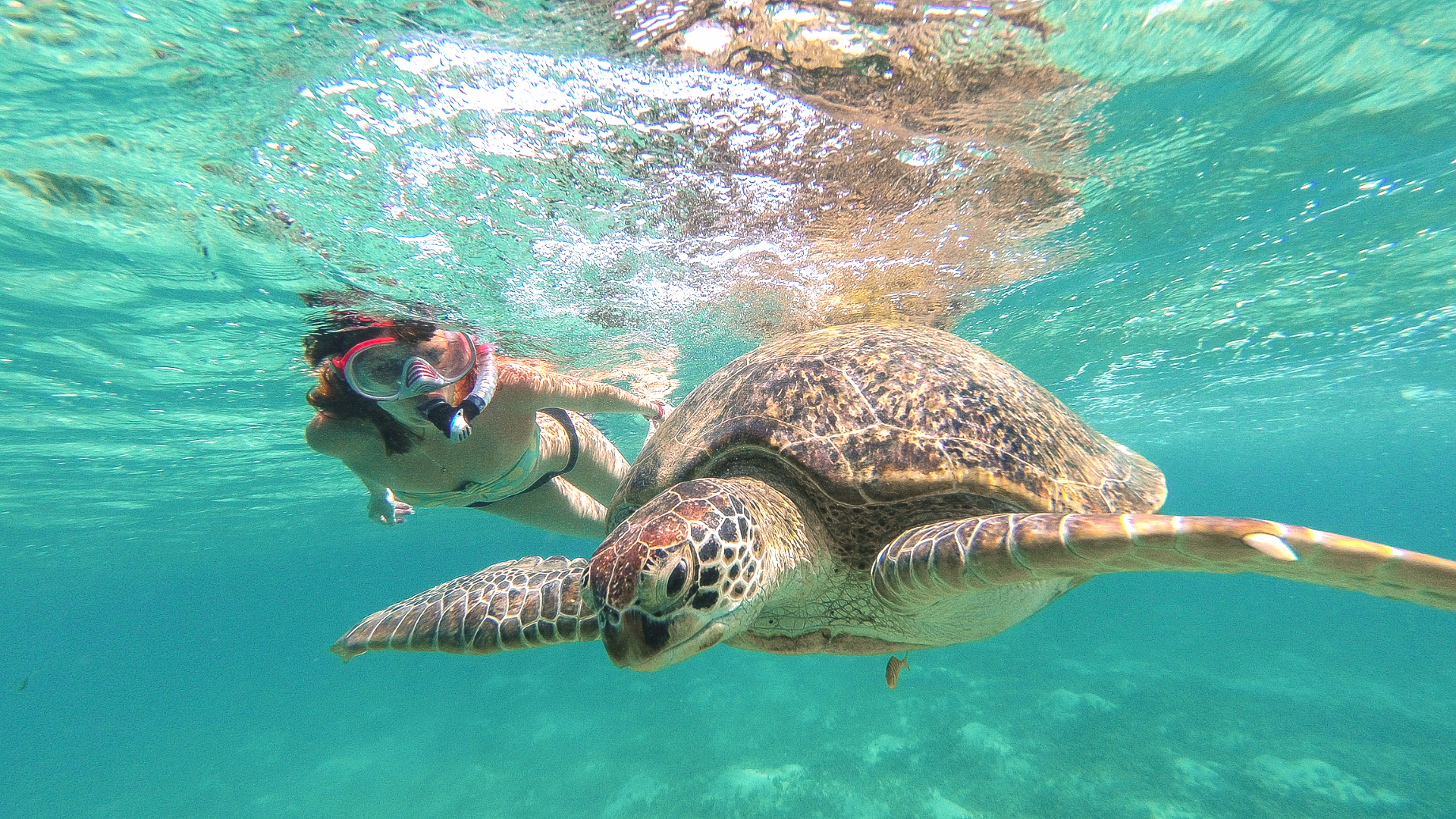
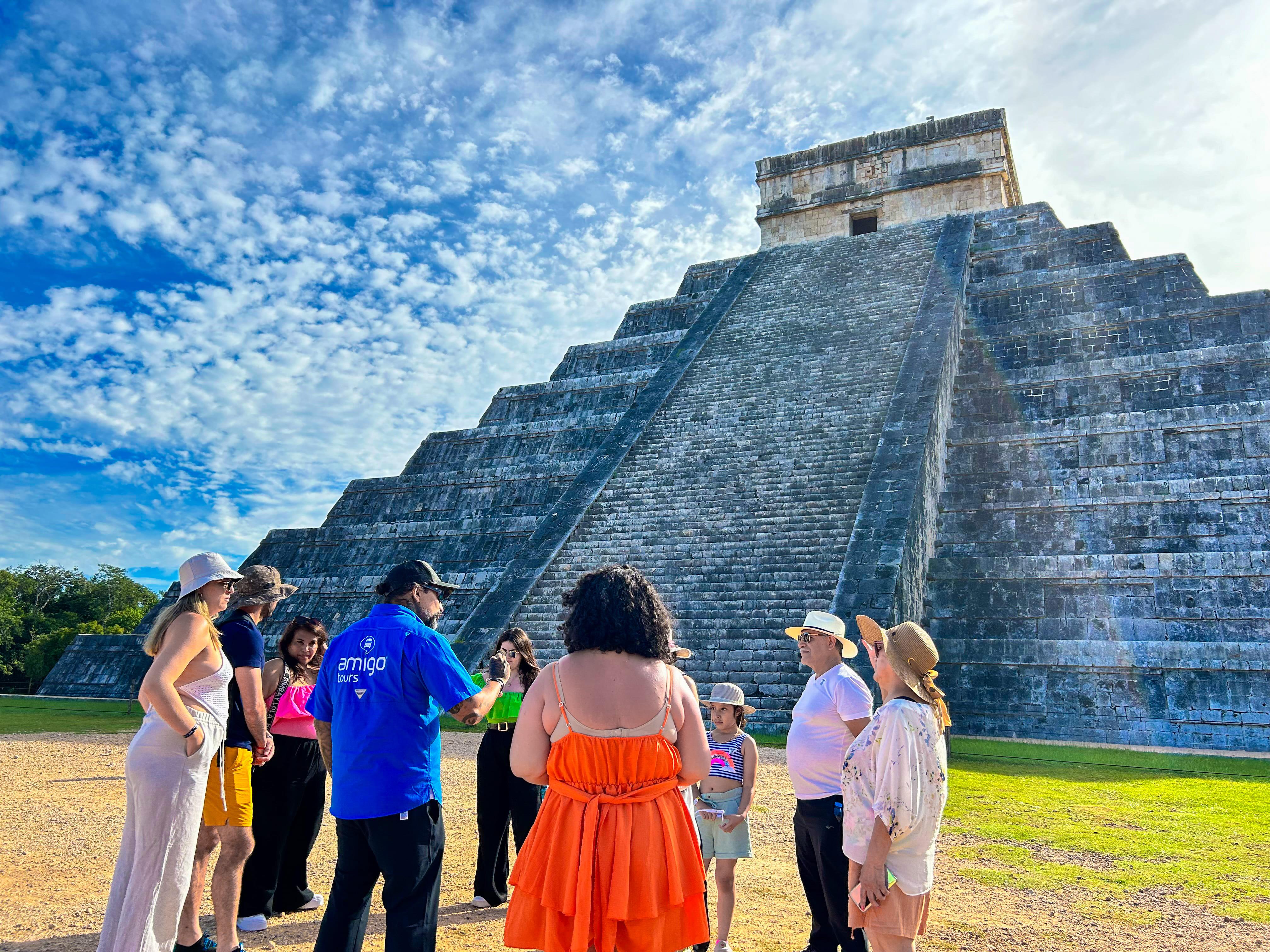
Tulum Ruins, Cenote Swim & Akumal Turtle Snorkeling 10 hr
Guided Experience

Tulum Ruins, Cenote Swim & Akumal Turtle Snorkeling

4.5 (357)
€72
per person
Instant Mobile voucher Flexible — change up to 24h

Ancient Mayan temples, crystal-clear cenote plunge, and unforgettable sea turtle encounters in one epic day

Reserve
Tulum Ruins, Cenote Swim & Akumal Turtle Snorkeling 10 hr
Guided Experience

Tulum Ruins, Cenote Swim & Akumal Turtle Snorkeling

4.6 (280)
€72
per person
Instant Mobile voucher Flexible — change up to 24h

Discover ancient Mayan ruins, swim in crystal-clear cenotes, and snorkel with sea turtles in Akumal

Reserve

Prices from verified partners. Availability updates in real time at checkout. Free cancellation policies apply where shown.

Highlights

What you'll see inside the attraction

The landmarks, rooms, and views travelers on this tour remember — all visible on a single visit.

Gran Cenote

This semi-open site is famous for its crystal-clear shallow areas and frequent turtle sightings. It features a unique mix of cave and open-air swimming spaces.

Dos Ojos

Known for its extensive cave system, this site offers two distinct pools connected by a massive underwater passage. It is one of the most popular spots for scuba diving tulum cenotes.

Cenote The Pit

This site is a deep vertical sinkhole that serves as a premier location for technical and deep cavern diving. Divers often pass through a dramatic halocline layer here.

Cenote Calavera

Often called the Temple of Doom, this site features a unique skull-like appearance with three holes in the ground. It is known for its mystical atmosphere and challenging entry.

Casa Cenote

An open-air lagoon surrounded by mangroves that provides a serene, shallow environment for refreshers and beginners. It is connected directly to the Caribbean Sea.

Head to head

Scuba Diving Tulum Cenotes vs Ocean Reef Diving — Choosing Your Underwater Experience

They complement each other; most visitors who do both call the open ocean more dynamic for wildlife while identifying freshwater cavern systems as the more hauntingly calm scuba diving tulum cenotes tour experience.

Feature Top pick Tulum Cenotes Ocean Reef
Visibility
20–30 meters
Biodiversity
High marine variety
Currents
Moderate to strong
Environment Type
Saltwater coral reef
Required Certification
Open Water Diver
Light Conditions
Natural sunlight

Verdict: Choose Caribbean reef diving for vibrant coral life or select scuba diving tulum cenotes tours for unique geological formations and still, crystal-clear waters.

How your ticket works

Book your ticket in 3 steps

  1. 01

    Book online

    Choose your ticket, select your date, and reserve in under two minutes. Secure checkout handled by our verified partner.

  2. 02

    Receive your mobile voucher

    Instant confirmation by email, with a mobile voucher you can save offline. No printing, no queuing at a collection desk.

  3. 03

    Show & enter

    Arrive at the entrance, show your voucher on your phone, and walk in. Most tickets include priority or skip-the-line access.

Plan your visit

Everything you need to know before you go

Practical details for your visit straight from our verified partners — hours, access, rules, and how to get there.

Open today · 08:00–17:00
Opening hours
08:00–17:00
Address
Carretera Federal 307, Tulum, Quintana Roo, Mexico
Entry requirements
Open water certification for scuba diving tulum cenotes
Best arrival window
08:00–10:00
Storage
Lockers available at most major cenote sites
Local transit
Rental car recommended for flexibility
Mon
08:00–17:00
Tue
08:00–17:00
Wed
08:00–17:00
Thu
08:00–17:00
Fri
08:00–17:00
Sat
08:00–17:00
Sun
08:00–17:00
Location

Address
Carretera Federal 307, Tulum, Quintana Roo, Mexico
Storage
Lockers available at most major cenote sites
Local transit
Rental car recommended for flexibility

Dress code

Wear comfortable swimwear and a rash guard for UV protection. Avoid all lotions, sunscreens, and bug sprays, as these are prohibited to protect the delicate water ecosystem.

Bags & security

Lockers are available at many sites to store belongings. Keep valuables at your hotel, as most facilities are in remote jungle locations.

Photography

Professional underwater photography may require a permit or additional fees. Always ask your guide about specific rules at each site before entering the water.

Accessibility

Accessing cenotes often involves walking on uneven jungle paths or descending wooden staircases. Scuba diving tulum cenotes requires a reasonable level of physical fitness.

What to bring

  • Swimsuit
  • Towel
  • Dry clothes
  • Cash for 400 MXN conservation fee
  • Water bottle
  • Water shoes
  • Rash guard

Not allowed

  • Sunscreen
  • Bug spray
  • Makeup
  • Body oils
  • Shampoo
  • Soap
  • Deodorant
  • Smoking
  • Alcohol
  • Glass bottles
  • Single-use plastics
  • Drones
  • Fishing gear

Families & strollers

Many cenotes are family-friendly for swimming and snorkeling. Note that specialized scuba diving tulum cenotes tours have a minimum age of 15 years old.

Food & drink

Eating and drinking are strictly prohibited inside the immediate cenote area to maintain water purity. Use designated areas outside the water for snacks and refreshments.

Around your visit

Everything else worth knowing

Best time to go, insider tips, nearby landmarks, and the cancellation fine print — flip through to skim what matters to you.

Cancellation policy

Flexible, no hidden fees.

Refunds are generally provided if the booking is cancelled with at least 24 hours notice. Cancellations made within less than 24 hours are typically charged at the full rate.

About

The place, in context

The Yucatán Peninsula holds the world's longest underground river system — more than 1,400 kilometers of surveyed passages carved through Cretaceous limestone over twenty million years. When the last ice age ended and sea levels rose, the roof of many shallow caves collapsed, creating the cenotes that now punctuate the jungle canopy between Playa del Carmen and Tulum. The Maya considered these sinkholes sacred portals to Xibalba, the underworld, and archaeologists continue to recover ceremonial offerings and human remains from their depths. Today the same geological formations that once demanded sacrifice now draw technical divers and open-water-certified visitors from across the globe. Scuba diving Tulum cenotes offers access to an environment found almost nowhere else on Earth. Unlike ocean diving, cenote descents unfold in near-absolute visibility — often exceeding forty meters — thanks to the rainwater-fed systems that remain insulated from sediment and tidal churn. The halocline, a visual boundary where fresh and salt water meet, bends light into a shimmering mirror effect that disorients even experienced divers. Stalactites descend from cathedral ceilings formed when these chambers were dry; fossilized tree roots dangle through collapsed roof sections, frozen mid-reach toward water that arrived millennia after the tree died. The water temperature holds steady at twenty-five degrees Celsius year-round, eliminating the thermal layers that complicate buoyancy control in open water. Cenote Dos Ojos, one of the most frequently dived systems near Tulum, comprises more than eighty kilometers of mapped passages. Its Barbie Line — a cavern route accessible to open-water divers without overhead environment training — threads through collapse zones where columns of daylight illuminate suspended particles in near-freezing detail. Cenote Angelita, farther south, features a hydrogen sulfide cloud at thirty meters that resembles an underwater riverbed, complete with submerged logs and a false floor of decaying organic matter. These are not sites that reward casual snorkeling; their depth, darkness, and navigational complexity demand either advanced certification or the close supervision of a cavern-qualified guide. The cenote diving infrastructure around Tulum has matured considerably since the early 2000s, when only a handful of dive shops offered guided cavern trips. By 2026, more than thirty operators hold permits to lead groups into the most accessible systems, and the Mexican government enforces strict diver-to-guide ratios to prevent silting and damage to fragile speleothems. Most cenote dive tours include two separate cavern descents, wetsuit and equipment provision, and transportation from Tulum town or the hotel zone along the Zona Hotelera. The conservation fee — four hundred pesos per person, payable in cash — funds ongoing archaeological survey work and water-quality monitoring across the region's aquifer. Cenotes open daily from eight in the morning until five in the afternoon, though the early arrival window between eight and ten avoids the midday surge of tour groups that can reduce visibility and crowd the entry platforms.

"The halocline bends light into a shimmering mirror effect that disorients even experienced divers."
Your experience

What a tour day looks like

A step-by-step walkthrough of the visit — what you'll see, how long each stage takes, and the details that matter.

You meet your guide at eight in the morning outside a dive shop on the Tulum-Cobá road, where they verify your certification card and fit you with a five-millimeter shorty wetsuit. The van departs at eight-thirty, heading north along the Federal 307 for twenty minutes before turning onto a dirt track that terminates at a concrete platform surrounded by jungle. You descend a wooden staircase into the cenote mouth — a circular opening thirty meters across, its walls draped in aerial roots and maidenhair fern. The water is so clear you can count individual pebbles on the bottom six meters below. After a buoyancy check and light-penetration briefing, you descend along a permanent guideline into the first cavern chamber. Your exhaled bubbles flatten against the ceiling rock and ripple outward in silver discs. At twelve meters you pass through the halocline; the water above you blurs into a cloudy lens while the layer below remains crystalline. Stalactites the diameter of your forearm hang in clusters, their tips blackened by centuries of torch smoke from Maya ceremonies. Your guide signals toward a side passage where a column of light drops through a roof collapse, illuminating suspended particles that drift like snow in reverse. You hover in neutral buoyancy, the only sound your regulator's mechanical inhale. The second dive takes you into a different cenote fifteen minutes away, this one deeper and narrower. You descend to eighteen meters and follow the guideline beneath a limestone overhang into a chamber the size of a cathedral nave. No daylight reaches this far; your guide's torch is the only reference point. You surface after thirty-eight minutes, peel off your mask, and realize you have been holding your breath between regulator pulls.

Frequently asked

Frequently asked questions about scuba diving tulum cenotes tours

What are the opening hours for scuba diving tulum cenotes?

Most cenotes are open daily from 08:00–17:00.

Do I need tickets for scuba diving tulum cenotes tours?

Yes, you should book scuba diving tulum cenotes tickets in advance to secure a guide.

Is there a conservation fee for scuba diving tulum cenotes?

Yes, there is a 400 MXN conservation fee, per person, payable in cash at the gate.

Can beginners go scuba diving tulum cenotes?

Beginners can join discovery programs, but cavern-specific scuba diving tulum cenotes tours require certification.

What is the best arrival time for scuba diving tulum cenotes?

The best arrival window is 08:00–10:00 to avoid peak crowds.

Are lockers available at scuba diving tulum cenotes locations?

Most major cenotes offer lockers for rent to store personal items safely.

Can I wear sunscreen for scuba diving tulum cenotes?

No, sunscreen is prohibited to protect the water; please wear a rash guard instead.

What certification is needed for scuba diving tulum cenotes?

You must have an Open Water certification to participate in cavern-based scuba diving tulum cenotes tours.

Can I combine visiting Mayan ruins with scuba diving tulum cenotes?

Yes, many travelers combine early morning scuba diving tulum cenotes with afternoon visits to Tulum landmarks.

What is the cancellation policy for scuba diving tulum cenotes?

Cancellations for scuba diving tulum cenotes tours usually require 24 hours notice for a full refund.